Sourcing Wholesale Room Sprays in 2026 requires more than comparing prices on a supplier website. Global buyers need dependable formulas, stable packaging, clear documentation, and realistic production timelines. A room spray may look simple, yet its performance depends on fragrance balance, alcohol quality, nozzle design, and storage conditions.
This guide examines leading wholesale suppliers for international purchasing teams. It considers private-label flexibility, minimum order quantities, sample quality, factory communication, and export experience. Buyers should request ingredient information, safety data sheets, allergen details, and compliant labels before placing large orders. IFRA-related documentation can support responsible fragrance development, but requirements may differ across destination markets. Check locally.
Practical testing remains essential. Spray a sample in a 20-square-meter room and observe scent strength after ten minutes. Inspect whether a 100ml bottle leaks after transport simulation. Ask suppliers how they protect cartons from heat, pressure, and rough handling. A polished catalog is not proof of reliable production. One successful sample is not enough either. This point is easy to overlook.
The featured suppliers may suit hotels, home-fragrance brands, gift retailers, and distributors with different purchasing goals. Some may offer low MOQs, while others provide stronger customization or faster replenishment. However, supplier rankings can change as prices, certifications, capacity, and shipping conditions change. Buyers should verify every claim directly. The best choice is not always the cheapest. It is the supplier that communicates clearly, documents products responsibly, and delivers consistent room sprays at scale.
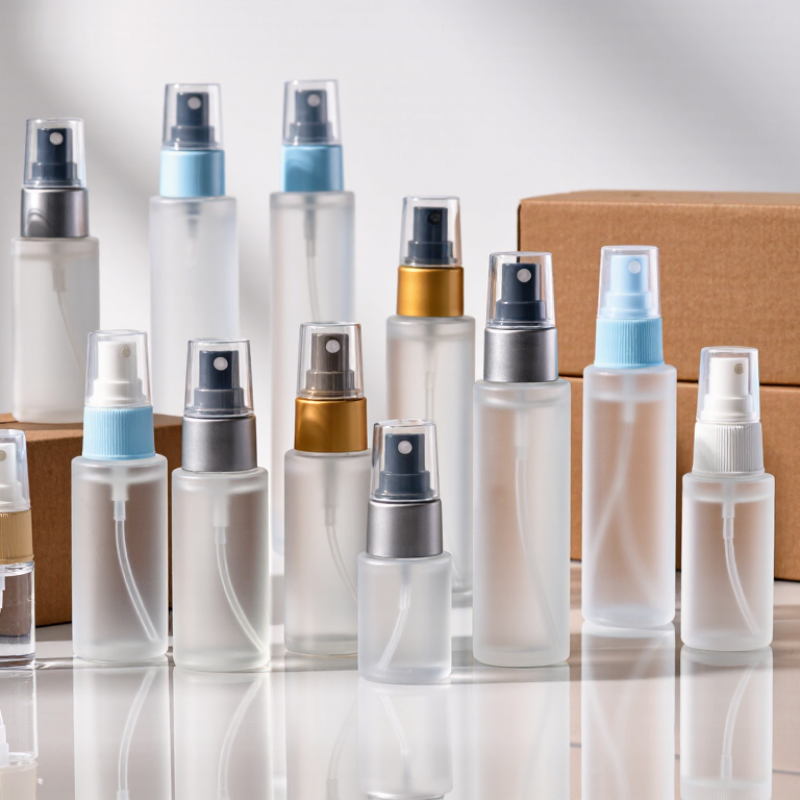
Wholesale room sprays are liquid fragrance products designed for quick scenting in homes, offices, hotels, and retail spaces. They usually combine fragrance oils, solvents, and a fine-mist trigger. Small format. Fast movement.
Demand is growing with home improvement, hospitality, wellness routines, and online purchasing. Fortune Business Insights valued the broader air freshener market at USD 12.52 billion in 2023. It projects the market to reach USD 19.19 billion by 2032. Room sprays represent only one segment, so buyers should avoid treating this figure as spray-specific revenue. Grand View Research also identifies convenience and premium home-care products as important growth factors. Some assumptions still need testing.
Global wholesalers often compare scent stability, spray performance, leakage resistance, and packaging durability. A sample should survive warehouse heat, transport vibration, and repeated use. I would also request ingredient documentation, safety data, batch details, and market-specific labeling before ordering. Attractive pricing can hide weak atomizers or inconsistent fragrance strength. Buyers should test several production batches, not one perfect sample. Consumer preferences differ sharply between citrus, woody, floral, and unscented environments. That makes flexible minimum order quantities valuable for uncertain markets.
When evaluating room spray suppliers, begin with measurable evidence, not attractive packaging. Grand View Research estimated the global air freshener market at about USD 12.6 billion in 2023, with continued growth expected through 2030. This expansion attracts capable manufacturers and careless traders. Ask for recent batch records, ingredient specifications, allergen declarations, and stability results. Samples should match later production.
Safety needs technical discipline. Request a current Safety Data Sheet, hazard classification, and transport information for every fragrance formula. Check whether fragrance materials follow applicable IFRA Standards and local chemical rules. Do not accept vague claims such as “natural” or “non-toxic.” Those phrases can mislead buyers. The European Chemicals Agency reports that mixtures require clear hazard communication under CLP rules. Global orders may need different labels and documents.
Reliability appears in small details. A dependable supplier explains minimum order quantities, lead times, filling tolerances, and complaint procedures. Ask how bottles are tested for leakage after heat exposure and vibration. Review production photos, quality-control checkpoints, and independent laboratory reports. A 2024 industry analysis by Grand View Research also identified e-commerce and convenient packaging as important market drivers, making packaging performance commercially significant. Low prices deserve questions. No checklist is perfect. Recheck certificates before each major order, because formulas, facilities, and regulations can change.
2026 Top Wholesale Room Sprays Suppliers for Global Buyers
International room spray trade depends on documentation, not attractive packaging alone. Grand View Research valued the global air freshener market at about USD 12 billion in 2023, showing strong cross-border demand. Buyers should request an IFRA Certificate of Conformity for each fragrance formula. IFRA Standards guide safe fragrance use by product category. They do not replace local laws.
For European shipments, suppliers need REACH-relevant substance information and CLP-compliant labels. Hazard pictograms, signal words, ingredients, and supplier details must match the final formula. Products making disinfecting or antimicrobial claims may also fall under the European Biocidal Products Regulation. That changes the compliance path. In the United States, review applicable Consumer Product Safety Commission rules, state disclosure laws, and transport requirements. A Safety Data Sheet should follow the current GHS format and reflect the destination market.
Check the formula carefully. Small solvent changes can alter flammability classification. Trigger sprays may require dangerous-goods review, while aerosols often involve separate UN transport rules. The International Air Transport Association reports that dangerous goods represent a small share of air cargo, yet documentation errors can cause costly delays. Ask for batch records, stability testing, allergen declarations, and packaging compatibility data. One weakness remains common: certificates may cover a fragrance concentrate, not the finished spray. Recheck everything.
| Buyer Market or Trade Area | Primary Regulatory Framework | When It Usually Applies to Room Sprays | Core Supplier Documentation to Request | Key Formula and Label Checks | Transport and Import Considerations | Compliance Priority |
|---|---|---|---|---|---|---|
| European Union / EEA | REACH Regulation and Classification, Labelling and Packaging Regulation (CLP) | Applies when the product contains substances or mixtures placed on the EU market. A room spray classified as hazardous must meet CLP requirements. |
|
|
Alcohol-containing formulas may be flammable and can require dangerous-goods classification. Confirm the UN number, packing group and transport mode before shipment. | Mandatory assessment |
| United Kingdom – Great Britain | GB REACH and GB CLP | Applies to products supplied in England, Scotland and Wales. Requirements are separate from the EU system after the UK’s regulatory separation. |
|
Use the correct GB importer or responsible supply-chain entity. EU-only compliance documents may not be sufficient for Great Britain. | Check UK dangerous-goods road, sea, air and courier rules according to the final classification and package quantity. | Mandatory assessment |
| Northern Ireland | EU chemicals rules may continue to apply under the Northern Ireland arrangements, including EU CLP and REACH requirements where applicable. | Relevant when the product is placed on the Northern Ireland market rather than only in Great Britain. |
|
Confirm whether the shipment is destined for Northern Ireland or Great Britain before finalizing artwork, importer details and regulatory files. | Use the transport rules applicable to the actual route, destination and classification. | Route-dependent |
| United States | Federal requirements can involve OSHA Hazard Communication, the Consumer Product Safety Commission and, for pesticidal claims, FIFRA/EPA requirements. | Workplace supply generally requires an OSHA-compliant SDS and hazard communication. Consumer products may also be subject to the Federal Hazardous Substances Act and other consumer-product rules. |
|
Marketing claims can change the legal category. “Air freshener” is not automatically a pesticide, while antimicrobial or pest-control claims may trigger FIFRA review. | Confirm DOT classification for domestic transport and IATA/IMDG requirements for air or ocean export. | Claim-dependent |
| Canada | WHMIS 2015, the Hazardous Products Act and the Consumer Chemicals and Containers Regulations may apply. | Applies when the product is hazardous and supplied to Canadian workplaces or consumers. |
|
Check bilingual labeling, concentration thresholds and consumer-packaging requirements before importing or selling. | Verify Canadian transport classification and documentation, especially for flammable alcohol-based sprays. | Mandatory assessment |
| Australia | Australian industrial-chemicals framework, including AICIS, plus Work Health and Safety (WHS) requirements. | AICIS obligations depend on whether ingredients are introduced as industrial chemicals and on the importer’s role. WHS labeling and SDS rules apply to hazardous workplace products. |
|
Assess each fragrance, solvent and functional ingredient separately. Consumer and workplace labeling may have different requirements. | Confirm Australian dangerous-goods transport requirements for the product’s final classification and package size. | Importer-dependent |
| New Zealand | Hazardous Substances and New Organisms Act and the Hazardous Substances regulations administered by the Environmental Protection Authority. | Applies when the imported room spray meets a hazardous-substance classification or other controlled threshold. |
|
Check approved hazard controls, packaging, storage and signage requirements for flammable or toxic classifications. | Review New Zealand import, storage and dangerous-goods transport requirements before dispatch. | Classification-dependent |
| China | China’s GHS-based classification, labeling and SDS requirements, together with applicable chemical and product standards. | Relevant for imported hazardous mixtures, chemical ingredients and products supplied into China. |
|
Use Chinese regulatory terminology and verify whether any ingredient is restricted, catalog-listed or subject to additional registration or notification. | Confirm dangerous-goods declaration, packaging certification and port or carrier requirements. | Pre-shipment review |
| Japan | Relevant rules may include the Industrial Safety and Health Act, the Chemical Substances Control Law, PRTR requirements and consumer-product labeling rules. | Application depends on ingredient identity, concentration, workplace supply, reporting thresholds and product claims. |
|
Check whether fragrance ingredients or solvents trigger Japanese workplace disclosure or reporting obligations. | Confirm Japanese dangerous-goods transport and import documentation requirements. | Ingredient-dependent |
| International Ocean, Air and Road Freight | UN Model Regulations, the IMDG Code for sea freight, the IATA Dangerous Goods Regulations for air freight and ADR for applicable road transport. | Applies when the finished room spray is classified as dangerous goods, commonly because of flammable solvents or pressurized packaging. |
|
Never rely on the product name alone. The finished formula, flash point, package type and quantity determine the transport classification. | Obtain carrier acceptance before production or booking. Courier, airfreight and ocean rules can differ materially. | Shipment-critical |
| Fragrance and Formula Due Diligence | IFRA Standards, allergen disclosure rules and national chemical restrictions. | IFRA guidance is widely requested by buyers for fragranced products, but it is not a substitute for local legal compliance or government approval. |
|
Confirm the intended use category, maximum fragrance concentration, restricted materials, allergens and formula-change notification process. | Ensure fragrance, solvent and finished-product documents are consistent with the transport classification. | Buyer requirement |
| Quality and Manufacturing Systems | ISO 9001 is a quality-management certification; ISO 22716 is a cosmetics GMP guideline and does not automatically make a room spray a cosmetic product. | These standards are commonly used in supplier qualification but are generally not universal legal requirements for ordinary room sprays. |
|
Check that the certificate covers the actual manufacturing site and product scope. Do not treat a quality certificate as proof of regulatory authorization. | Packaging compatibility and leak testing are particularly important for alcohol-based sprays, fine-mist pumps and recycled-plastic components. | Qualification evidence |
| Environmental and Packaging Review | Packaging, waste, recycling, extended producer responsibility and chemical restrictions vary by destination. | Applies when packaging is placed on a national market or when environmental claims are made. |
|
Environmental claims must be clear, specific and supportable. Review inks, pumps, caps, labels and secondary packaging—not only the bottle. | Packaging must remain leak-resistant and suitable for the intended transport conditions while meeting destination-market requirements. | Market-specific |
Wholesale room spray suppliers now serve sharply different buyer needs. Grand View Research estimates the global home fragrance market reached about USD 13.1 billion in 2023, with a projected 5.2% CAGR from 2024 to 2030. This growth supports several supplier categories, not one universal model.
Private-label suppliers suit retailers seeking custom scents, bottles, labels, and packaging. They usually require longer development times and higher minimum order quantities. Ready-stock wholesalers work better for small retailers, online sellers, and seasonal testing. Faster shipping matters here. Hospitality buyers often need bulk cartons, consistent fragrance strength, and reliable spray pumps for guest rooms. Natural-positioned suppliers may offer essential-oil formulas, but buyers should request ingredient details, allergen information, SDS files, and applicable safety documentation. Regional rules can differ.
A practical sourcing process starts with samples. Test spray coverage, nozzle pressure, leakage, carton strength, and scent stability after heat exposure. Euromonitor International’s home-care research continues to highlight premiumization and wellness as important consumer themes, yet “natural” alone does not guarantee market acceptance. Not always the cheapest.
Low-MOQ suppliers reduce inventory risk, while factory-direct suppliers may improve unit economics at scale. However, factory-direct orders can create cash-flow pressure and slower corrections. I have found that fragrance preferences are difficult to predict across regions. A fresh citrus profile may perform well in one market and feel too sharp elsewhere. Suppliers with transparent production records and consistent batch controls deserve closer attention.
In 2026, global buyers need more than a low quotation for room sprays. A useful comparison starts with a like-for-like product sheet. Record bottle size, fragrance concentration, closure type, carton count, and testing requirements. A $1.20 unit price can become $1.65 after stronger packaging and export preparation. Ask for tiered prices at 500, 2,000, and 10,000 units. Keep currency and Incoterms identical.
Customization should be measured, not described as “flexible.” Request color samples, label proofs, scent options, and a clear approval timeline. Confirm whether artwork, molds, testing, and sample freight create separate charges. Minimum orders deserve equal attention. A low MOQ may carry a higher unit cost, while a large MOQ can trap cash in slow stock. My own early comparison missed inner-carton limits, causing unnecessary warehouse work. That mistake still matters. Ask for production lead time after final approval, not after the first inquiry.
Shipping terms should show responsibility at each stage. Compare EXW, FOB, and delivered options using the same destination, weight, and insurance assumptions. Check carton dimensions, gross weight, pallet rules, and applicable transport classifications. Request a sample commercial invoice and packing list. Reliable suppliers provide batch records, leak checks, and dispatch photos before shipment. Still, documents are not proof of perfect delivery. Use a small pilot order, inspect ten random units, and record damage, scent consistency, and actual landed cost. Payment milestones and remedy terms should be written clearly.
Compare indicative wholesale benchmarks for stock products, private-label programs, and fully customized room sprays.
How to read this chart: Stock products usually offer the lowest minimum order and fastest delivery. Private-label orders require more time for packaging and label production, while fully customized programs generally require higher minimum orders, longer development cycles, and more detailed compliance checks.
Shipping terms: EXW normally provides the lowest quoted product price but places freight responsibility on the buyer. FOB includes delivery to the export port. DDP is easier for global buyers because duties and delivery are usually managed by the supplier, but the total landed cost is higher.
Benchmark basis: Prices are indicative wholesale ranges in USD per finished 100 ml room spray unit. Final costs vary according to fragrance formula, bottle material, packaging, destination, certifications, order volume, and freight conditions.
Ready-stock or low-MOQ suppliers usually fit small retailers. They support seasonal testing and faster shipping. Test before scaling.
Choose it for custom scents, bottles, labels, or packaging. Expect longer development times and higher minimum orders. Custom work needs patience.
Compare bottle size, fragrance concentration, closure type, carton count, and testing requirements. A low unit price may rise after packaging and export preparation.
Request prices for 500, 2,000, and 10,000 units. Low MOQs reduce inventory risk but may increase unit costs. Large orders can trap cash.
Request color samples, label proofs, scent options, and approval timelines. Confirm separate charges for artwork, molds, testing, and sample freight.
Compare EXW, FOB, and delivered options using the same destination and weight. Check insurance, carton dimensions, gross weight, and pallet rules.
Test spray coverage, nozzle pressure, leakage, carton strength, and scent stability after heat exposure. Test ten random units from a pilot shipment.
Ask for ingredient details, allergen information, safety data, batch records, leak checks, and applicable transport documents. Documents can mislead.
No. Natural positioning may support wellness-focused demand, but preferences differ across regions. A citrus scent can feel fresh or too sharp.
Use a small pilot order and record damage, scent consistency, and actual landed cost. Write payment milestones and remedy terms clearly. My early comparison missed inner-carton limits.
This guide to 2026 Wholesale Room Sprays helps global buyers understand the product category, including common fragrance formats, use cases, packaging options, and the reasons demand is expanding across homes, hospitality, offices, and retail channels. It explains how to assess suppliers by reviewing ingredient transparency, scent consistency, product performance, manufacturing capacity, quality-control procedures, communication, and delivery reliability. Buyers will also learn why certifications, safety documentation, labeling rules, packaging requirements, and destination-market regulations are essential before placing an international order.
The guide compares different supplier categories, from large-scale manufacturers and private-label producers to flexible small-batch specialists and sourcing partners, helping buyers match suppliers with their budget and business model. It also outlines how to evaluate unit prices, customization services, minimum order quantities, sample policies, lead times, shipping terms, and after-sales support. By considering these factors together, importers and retailers can reduce purchasing risks, select dependable partners, and build a Wholesale Room Sprays supply strategy suited to their target markets.