Blog

How to Source Private Label Home Fragrances in 2026?

How to Source Private Label Home Fragrances in 2026?

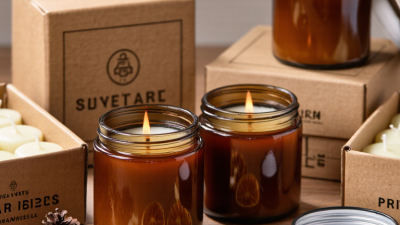
Sourcing Private Label Home Fragrances in 2026 requires more than attractive packaging and a low factory quote. Buyers must connect product design, fragrance performance, safety documentation, and reliable production. A candle may look premium online, yet tunnel, burn unevenly, or lose its scent after storage. Real evaluation begins with physical samples. Experienced buyers often compare three to five suppliers before choosing a partner. They request fragrance briefs, ingredient information, Safety Data Sheets, and testing records. They also review wax type, wick construction, vessel quality, fill weight, and batch consistency. IFRA Standards can support responsible fragrance development, but market-specific labeling and documentation still require careful checking. Requirements may differ between the United States, the European Union, the United Kingdom, and other regions. Supplier audits reveal details that brochures hide. Look for clean filling areas, calibrated scales, traceable raw materials, and documented quality checks. Ask how the manufacturer handles damaged vessels or scent variation. Ask about minimum order quantities, lead times, payment terms, and tooling ownership. These details affect cash flow and launch timing. No sourcing plan is flawless. A beautiful sample can fail during transit. A trusted supplier may struggle with a sudden volume increase. Build approval checkpoints into the process, including pre-production samples and final inspections. Clear records matter. This guide explains how to assess suppliers, develop distinctive scents, control costs, and reduce avoidable risks when sourcing Private Label Home Fragrances in 2026. Quality should feel consistent, not accidental.
Read more »
Ethan By:Ethan - September 21, 2026
What Is Private Label Scented Candles for Global Buyers?

What Is Private Label Scented Candles for Global Buyers?

Private Label Scented Candles are more than decorated wax products for global buyers. They combine fragrance, packaging, safety, branding, and customer experience. A retailer may request amber glass jars, cotton wicks, recyclable boxes, and a signature scent. Each detail affects cost and market acceptance. Kathy LaVanier, a candle-industry educator and former National Candle Association president, describes the category clearly: “A candle is an emotional purchase as much as a functional one.” That idea matters when developing Private Label Scented Candles for different regions. Buyers must study fragrance preferences, burn performance, labeling expectations, and packaging conditions. A warm vanilla scent may sell well in one market, while citrus or woody notes perform better elsewhere. Small choices matter. Reliable sourcing requires more than attractive samples. Experienced buyers should request wax specifications, wick details, fragrance documentation, burn-test results, and packaging samples. They should also review factory quality systems and production capacity. Compliance requirements can vary by destination. Professional suppliers help buyers check applicable standards, warnings, and transport requirements before shipment. The process is rarely perfect. A sample may smell excellent but tunnel during burning. A beautiful label may wrinkle in humid storage. One scent can also lose character after several months. These failures deserve attention, not excuses. Global buyers should test small batches, record results, and improve the product before scaling. Private Label Scented Candles succeed when creative branding meets disciplined manufacturing and honest quality control.
Read more »
Amelia By:Amelia - September 21, 2026
Top 10 Custom Fragrance Manufacturers for Global Buyers?

Top 10 Custom Fragrance Manufacturers for Global Buyers?

For global buyers, choosing a fragrance partner involves more than comparing catalog prices. A dependable manufacturer must translate a scent brief into stable, repeatable production. That work includes formula development, ingredient traceability, safety documentation, batch testing, and practical packaging support. This guide examines ten Custom Fragrance Manufacturing companies through a buyer-focused lens. The aim is clarity, not a promotional ranking. Each manufacturer is considered for technical capability, customization depth, quality systems, minimum order quantities, lead times, and export readiness. We also examine communication during sampling, revisions, scale-up, and quality checks. A small glass vial, a weighed concentrate, or a revised blotter can reveal serious process discipline. Strong suppliers explain limitations clearly and document changes before production begins. That matters when one approved formula must remain consistent across thousands of units. Global sourcing requires attention to applicable cosmetic, labeling, transport, and market-entry requirements. Requirements differ by destination. Responsible manufacturers support compliant decisions without making promises they cannot verify. No shortlist is flawless. Public information can be incomplete, outdated, or shaped by marketing language. Dig deeper. Buyers should request samples, review quality records, confirm production capacity, and assess communication speed before committing. This selection combines available company information with practical questions for direct discussions. Readers can compare creative support, manufacturing reliability, and long-term partnership potential with greater confidence. The best choice may not be the largest factory. It may be the partner that listens, documents, and improves.
Read more »

Amelia By:Amelia - September 21, 2026