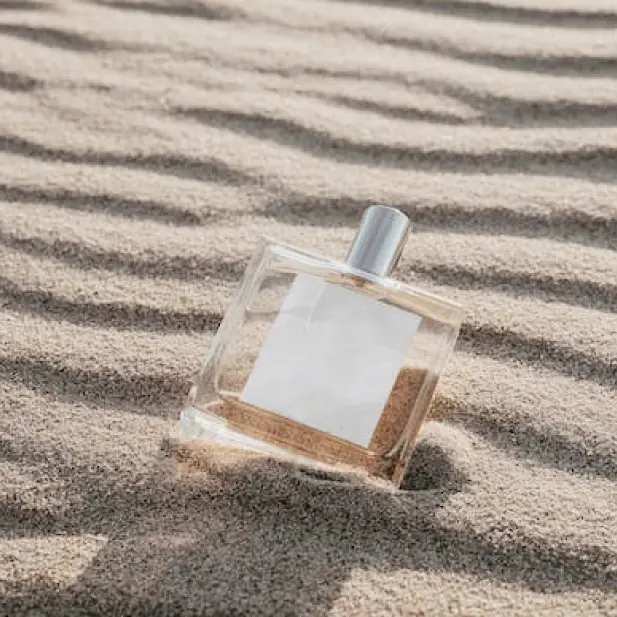
Prestige Eau de Parfum (15%–20%)
The industry benchmark for commercial fine fragrance. Formulated with premium synthetic molecules and natural Grasse essences for superior longevity and projection.
Get Catalog
From olfactive formulation and controlled cold maceration to automated crimping and global EU/FDA cosmetic regulatory dossiers—engineered for scaling niche, luxury, and prestige beauty houses.
Trusted by Independent Niche Houses, Luxury Retail Chains, and Spa Groups Across 28 Countries
Contract manufacturing of fine Eau de Parfum (EDP) demands a delicate balance between artistic olfactory creation, chemical stability engineering, and strict international cosmetic safety compliance.
At Bougie et Senteur, our French manufacturing facility bridges the gap between high-concept niche perfumery and industrial-scale operational efficiency. Unlike commercial aggregators or generic cosmetic packers, we execute the entire manufacturing cycle under one roof in France. Our master perfumers, chemical engineers, and regulatory specialists manage the entire journey: from raw ingredient sourcing around the Grasse perfumery hub to precise alcohol proofing, controlled aging, chill filtration, automated filling, and international dangerous goods distribution (UN 1266 Class 3).
A successful Eau de Parfum line depends on chemical stability and olfactory longevity. Our laboratory tests every concentrate for solubility, cloud point, UV degradation, and skin contact safety. By utilizing organic sugar beet alcohol (denatured per EU cosmetic standards) combined with aged perfume compounds, we guarantee a crystal-clear, long-lasting formulation that maintains its top, heart, and base notes from first spray to final dry-down.
Understanding the crucial physical and chemical phases involved in commercial perfume production is essential for procurement managers and brand founders.
An authentic Eau de Parfum typically features a fragrance concentrate dosage ranging from 15% to 25% w/w dissolved in 80% to 85% volume cosmetic-grade ethanol. The remaining percentage consists of demineralized water added to adjust the final proof (usually 78° to 82° alcohol by volume).
Achieving absolute clarity and stability requires precise phase integration. Complex natural extracts—such as jasmine absolutes, patchouli heart fractions, or natural citrus oils—contain naturally occurring terpenes and waxes that can precipitate or create haze if solubilization ratios are incorrect. Our chemists calculate exact dielectric constants and phase diagrams for every bespoke accord, ensuring zero separation or cloudiness over a 36-month shelf life.
Immediate bottling of freshly mixed perfume liquid yields a harsh, alcohol-forward profile with disjointed top notes. Industrial maturation requires storing the raw concentrate for 2 to 4 weeks prior to alcohol addition, followed by a strict 21-to-28-day maceration period of the final liquid solution in temperature-controlled stainless steel vats.
During maceration, subtle esterification reactions occur between ethanol and olfactory molecules. Harsh alcoholic spikes soften, while top notes integrate seamlessly with heavy resins, musks, and woody base notes. This step creates the signature smooth opening and extended sillage expected of luxury French perfumery.
Before an Eau de Parfum can be bottled into clear glass vessels, it must undergo chill filtration (glaçage). The macerated liquid is chilled down to -4 °C to 0 °C using jacketed heat exchangers. Rapid cooling forces insoluble plant waxes, heavy lipids, and resinous sediment to crystallize out of solution.
The chilled perfume is then pushed through multi-stage depth filtration pads (down to 0.45 microns). This process guarantees that the perfume remains completely transparent and crystal-clear, even when exposed to low temperatures during air transport or cold retail environments.
Our bottling lines handle glass bottles ranging from 10 ml travel sprays to 100 ml prestige flacons. We utilize high-precision volumetric or vacuum filling systems, FEA 15 micro-dose pump crimping, anodized collar pressing, and automated outer box shrink-wrapping.
Every lot undergoes 100% inline vacuum chamber leak testing and torque monitoring for screw-collar sprayers, preventing leakage under ambient pressure drops during high-altitude air freight.
Engineered formulations tailored to market positioning, consumer demographics, and international regulatory constraints.
The industry benchmark for commercial fine fragrance. Formulated with premium synthetic molecules and natural Grasse essences for superior longevity and projection.
Get Catalog
Ultra-concentrated perfume formulations offering extreme persistence, deep warm dry-downs, and rich olfactory texture for luxury niche collections.
Get Catalog
Innovative micro-emulsion technology delivering non-drying, hydrating fragrance sprays without ethanol—ideal for sensitive skin and clean beauty compliance.
Get Catalog
Precision-filled travel atomizers and discovery sets designed for omnichannel trial strategies, subscription boxes, and luxury gift sets.
Get Catalog
Lightweight hair and body mists enriched with conditioning ingredients (panthenol, plant glycerin) that veil the body in scent without stripping hair moisture.
Get Catalog
Anhydrous, alcohol-free perfume balms crafted with vegetable waxes and natural oils. Compact, leak-proof, and fully compliant with zero-waste travel requirements.
Get CatalogHow global market shifts, changing consumer expectations, and international regulatory adjustments are reshaping B2B fragrance sourcing.
Global demand is rapidly pivoting away from light Eau de Toilette (8–10%) toward long-lasting Eau de Parfum (18–20%) and Extrait de Parfum (25%+). Modern buyers prioritize olfactory density, noticeable sillage, and 12-hour durability on skin.
With the IFRA 51st Amendment and updated EU Cosmetic Regulation allergen listing requirements (expanding required label disclosures from 26 to 81 fragrance allergens), brands must partner with contract facilities offering advanced analytical chemistry oversight.
Prestige perfumery is abandoning non-removable crimped pumps in favor of threaded FEA 15 neck finishes. Screw-off pumps allow consumers to purchase bulk aluminum refill bottles, reducing packaging carbon footprints by up to 60% across product lifecycles.
Consumers increasingly reject generic mass-market fragrances. Growth lies in artisanal, storytelling-driven fragrance profiles featuring rare natural extracts, upcycled ingredients, and complex amber, woody, and gourmand olfactive structures.
What procurement officers and brand founders need to consider to future-proof their supply chains against market disruptions and regulatory changes.
Supply chain resilience is no longer just about landed cost—it hinges on raw material traceability, sustainable chemistry, carbon-neutral logistics, and rapid regulatory adaptation. Bougie et Senteur actively integrates these forward-looking standards into our standard manufacturing operations.
We do not outsource formulation to third parties or white-label generic stock perfumes. Every bottle of Eau de Parfum manufactured at Bougie et Senteur is formulated, aged, filtered, filled, and certified in France under ISO 22716 Good Manufacturing Practice guidelines.
In-depth technical and commercial answers addressing common buyer questions during vendor qualification and project scoping.
Our standard production MOQ for custom Eau de Parfum manufacturing starts at 1,000 units per reference for standard bottle capacities (30 ml, 50 ml, or 100 ml). For niche luxury collections utilizing fully custom-molded glass vessels or complex multi-layer lacquering, the glass manufacturer's MOQ may require 3,000 to 5,000 units. We also support multi-reference batch runs (e.g., 3 fragrances x 1,000 units) provided the bottle and pump components remain standardized across references.
As a French cosmetics manufacturer, we provide complete end-to-end regulatory dossiers. For every Eau de Parfum formula, our qualified European Safety Assessors produce a Cosmetic Product Safety Report (CPSR) per EU Regulation (EC) No 1223/2009. We perform 12-week stability testing, freeze-thaw challenge tests, dermatological patch testing, and container compatibility studies. Once validated, we submit the final dossier to the CPNP (Cosmetic Products Notification Portal) so your product can be legally distributed across EU and UK markets.
A full turnkey project follows a structured timeline: Fragrance accord formulation and olfactory sampling take 4 to 6 weeks. Stability, compatibility, and CPSR testing require 6 to 8 weeks (run concurrently with packaging procurement). Once component artwork is approved and vats are filled, industrial maceration requires 3 to 4 weeks, followed by bottling and packaging in 2 weeks. Overall lead time for a brand-new custom launch is typically 12 to 16 weeks. Repeat orders on existing macerated formulas are delivered within 4 to 6 weeks.
Eau de Parfum contains 75% to 85% ethanol, placing it under Hazardous Materials UN 1266 (Perfume Products containing flammable solvents), Class 3, Packing Group II or III. Bougie et Senteur employs certified Dangerous Goods Safety Advisers (DGSA). We prepare all mandatory documentation—including Safety Data Sheets (SDS) in 28 languages, Transport Emergency Cards, ADR road freight declarations, and IATA/IMDG air and sea freight dangerous goods certificates. We utilize UN-certified outer master cartons to guarantee compliant global export delivery.
Yes. We offer both full Turnkey (OEM/ODM) production—where we procure all glass, spray pumps, caps, and folding cartons—and Contract Bottling (Filling Only). When clients supply their own packaging components, our technical team conducts pre-production feasibility checks. We evaluate bottle neck dimensions (FEA 15 tolerances), pump stem lengths, crimp height specs, and glass annealing quality to prevent leakage or breakage on our high-speed automated bottling lines.
Every fragrance concentrate created or adapted by our perfumers undergoes quantitative risk assessment against the latest International Fragrance Association (IFRA) 51st Amendment standards. We evaluate max allowable dosage concentrations across Category 4 (fine fragrance sprays), ensuring complete safety for leave-on dermal application. We provide official IFRA Conformity Certificates, 81-Allergen Breakdown Statements, and SDS documentation required for international registration in North America, Asia-Pacific, and the Middle East (including SASO certification for Saudi Arabia).
Operational transparency and audited manufacturing standards for procurement qualification.
Request our product catalog, order sample olfactive collections, or schedule a technical project evaluation with our French formulation team.