0%

Choosing a home fragrance can feel simple: open the jar, smell the wax, and decide. But the air around that candle, diffuser, or room spray matters too. The U.S. Environmental Protection Agency’s guide, The Inside Story: A Guide to Indoor Air Quality, notes that concentrations of some indoor pollutants are often two to five times higher than outdoor levels. That figure applies to indoor pollutants generally, not specifically to fragrance products. Still, it’s a useful reason to check ingredients, follow product directions, and ventilate rooms.

Small details count. Look for clear ingredient information, refill options, recyclable packaging, and responsible sourcing claims you can verify. “Natural” is not a safety guarantee, and “eco-friendly” can mean different things across brands. The International Fragrance Association’s Standards provide industry guidance for fragrance materials, but following those standards does not make every finished product identical or suitable for everyone. Sensitive noses may react even when a product is used as directed. That part is easy to overlook.

This guide compares 10 Eco-Friendly Home Fragrances for buyers seeking a lighter footprint without giving up a welcoming scent. We consider format, ingredient transparency, packaging, scent strength, and practical use in everyday spaces—from a small entryway to a softly lit living room. No product is perfect. Some trade-offs remain, and a pleasant scent is only one part of a thoughtful purchase.
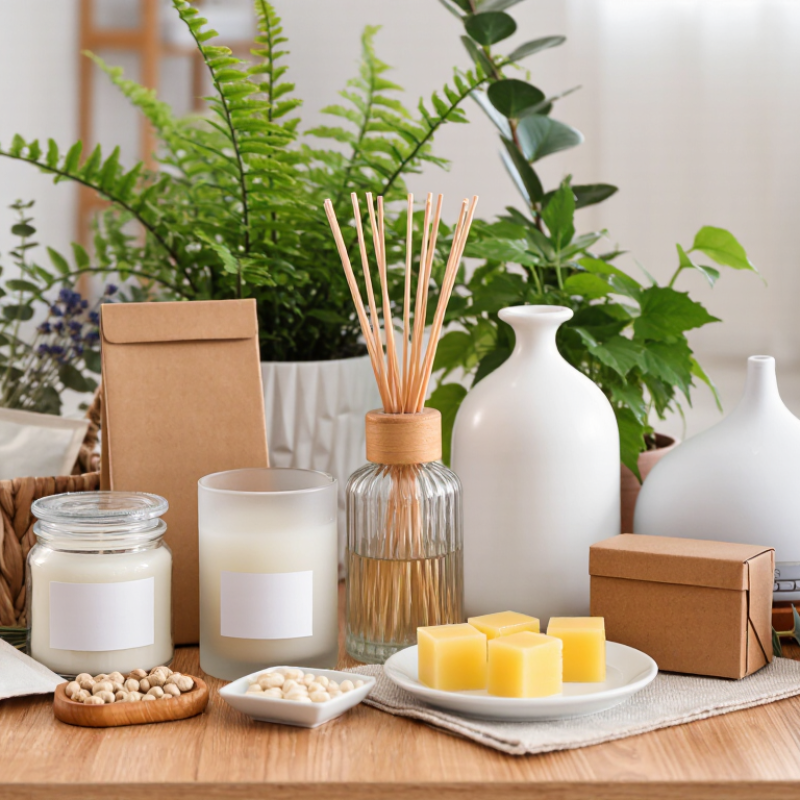
10 Best Eco Friendly Home Fragrances for Buyers?

What Makes a Home Fragrance Eco-Friendly?

What Makes a Home Fragrance Eco-Friendly?

An eco-friendly home fragrance is not defined by a leaf on its label. Look for clear ingredient information, including fragrance materials, solvents, and added dyes. Plant-derived ingredients are not automatically safer or lower-impact; farming, processing, and transport matter too. Details matter. Trustworthy makers explain how ingredients are sourced and avoid vague claims such as “all natural.” For candles, check the wax source, wick material, and whether the container can be reused or recycled nearby. No option is impact-free.

Packaging is another useful clue. A refillable bottle or a sturdy container you will actually reuse may create less waste than decorative, mixed-material packaging. For sprays and diffusers, consider how often you use them, how they should be disposed of, and whether the scent feels comfortable in a small room. Ventilation matters. “Natural” does not guarantee a fragrance will suit everyone, and evidence about indoor air effects can vary by product and use. I find comparisons frustrating: labels often highlight one appealing feature while leaving other trade-offs unclear. Choosing a product with specific sourcing and disposal information is a more reliable starting point than trusting green imagery alone.

How to Evaluate Ingredients, Packaging, and Indoor Air Quality

When comparing home fragrances, read the ingredient disclosure, not just “natural” or “clean” claims. Essential oils can also release airborne compounds; plant-derived does not mean impact-free. Look for named ingredients, allergen information, and clear use instructions. A vague label is a real limitation, not proof of danger. Small details matter.

Indoor air deserves equal weight. The U.S. Environmental Protection Agency reports that concentrations of some indoor organic pollutants average two to five times outdoor levels. This finding covers many sources, not fragrance alone. Use scented products sparingly, open a window when practical, and avoid placing diffusers beside beds or air intakes. If irritation occurs, stop using the product and ventilate. Scent strength is not a safety test.

Packaging is another measurable choice. The OECD’s Global Plastics Outlook estimates that packaging generated about 40% of plastic waste in 2019. Prefer refill formats, durable glass, and minimal mixed materials, then check what local collection accepts. Glass is heavier to ship, so its footprint is not automatically lower. I would compare the whole package, but many labels provide too little data to do that well.

Which Fragrance Formats Fit Different Rooms and Preferences?

For a small bedroom, a reed diffuser offers a steady, low-effort scent without a flame. Choose fewer reeds for a gentler effect, and place it away from pets and open windows. In a bathroom, a small wax melt can work well when used with a compatible warmer; it releases fragrance quickly but needs supervision. For living rooms, candles create a warm pool of light, though their scent may not spread evenly through a large space. The National Candle Association reports that about 70 percent of U.S. households use candles, suggesting their appeal is broad, not universal.

Room size and airflow matter as much as fragrance format. The U.S. Environmental Protection Agency notes that indoor pollutant levels are often two to five times higher than outdoor levels. That is not a fragrance-specific finding, but it supports using scented products sparingly and ventilating rooms. For low-maintenance scent, consider a refillable diffuser; for occasional use, choose a candle with a clear ingredient list and a responsibly sourced wax claim. “Natural” alone does not prove lower impact. I still find these labels hard to compare.

Tips: Start with one format in one room. Use fewer reeds or burn a candle briefly, then check whether the scent feels comfortable. Prefer minimal packaging and refill options, but remember that “eco-friendly” claims can be vague. In nurseries or scent-sensitive homes, unscented choices may be the better fit.

10 Eco-Friendly Home Fragrances for Buyers to Consider

Eco-Friendly Home Fragrances for Buyers to Consider

Choosing a greener home fragrance starts with checking ingredients, packaging, and refill options—not trusting a “natural” label alone. IBM’s 2020 consumer study found that 57% of respondents would change purchasing habits to reduce environmental impact. That signals interest, not proof that any fragrance is sustainable. The U.S. EPA reports that concentrations of some indoor pollutants are often two to five times higher than outdoor levels. Ventilation matters, especially when using scented products.

Consider a plant-wax candle with a disclosed wick; a refillable reed diffuser; a water-based room mist; a ceramic aroma stone; and dried botanical potpourri. Look for clear ingredient information and minimal packaging. A candle in a sturdy glass vessel may be reusable, but its wax and wick still deserve scrutiny. Labels can be vague.

Other options include linen herb sachets; plant-wax melts; refillable solid-fragrance holders; ultrasonic diffusers used sparingly; and simple simmer pots made with citrus peel and herbs. Check whether scent refills come in recyclable or reusable packaging, and follow product directions. Ultrasonic models use electricity and require regular cleaning. Simmer pots use heat and water. Neither is impact-free. I would not assume a “natural” scent is automatically gentler or greener; sourcing and indoor ventilation still count.

10 Eco-Friendly Home Fragrances for Buyers to Consider

A format-level comparison of typical packaging reuse potential, scored from 1 (low) to 5 (high).

Refillable formats can make it easier to reuse a container, while single-use packaging offers fewer reuse opportunities. Ratings are qualitative format-level comparisons, not measured environmental impacts or market averages; actual packaging varies by product.

How to Choose a Fragrance for Your Budget and Sensitivities

A good home fragrance should fit your budget and your breathing comfort. Set a spending limit before comparing candles, diffusers, or room sprays. Check the price per week of use, not just the shelf price; a large candle may burn quickly in a drafty room. Refillable containers can reduce packaging, but only if refills are easy to find and reasonably priced. Small details matter.

If scents trigger headaches, coughing, or irritation, choose unscented products as your baseline. Then try one lightly scented option in a well-ventilated room, using it briefly while you are at home. Keep a note of the scent, duration, and any symptoms. This is not a medical test, and reactions can have several causes. Stop using a product that makes you feel unwell, and seek professional advice if symptoms persist.

Read the full ingredient and safety information where available; “natural” does not automatically mean gentle. Avoid relying on vague claims alone. A small container is useful for testing, though it may cost more per use. That trade-off can feel annoying. Still, buying less before you know how a fragrance affects your household may prevent waste and discomfort. Keep scented products away from open windows, pets, and children, and follow the maker’s use instructions.

10 Best Eco-Friendly Home Fragrances for Buyers: How to Choose for Your Budget and Sensitivities

Home Fragrance Option Typical Cost (USD) Materials or Ingredients to Look For Packaging and Waste Considerations Scent Strength Sensitivity Considerations Best Fit
Unscented beeswax candle $12–$30 per candle Beeswax with a cotton or paper wick; check that no fragrance has been added. Choose minimal or recyclable packaging. Beeswax is animal-derived, so it is not vegan. Very low; may have a faint natural honey-like aroma. A fragrance-free option for some people, but burning candles still produces combustion particles. Ventilate the room and discontinue use if symptoms occur. Buyers who want candlelight with little added scent.
Soy-wax candle $10–$28 per candle Soy wax and a cotton or wood wick; look for clear disclosure of added fragrance and wax blends. Reusable glass jars can reduce waste when reused. Soy sourcing and agricultural practices vary. Low to strong, depending on fragrance load and room size. Choose an unscented version or a lightly scented candle if fragrance is a concern. Plant-derived fragrance can still trigger sensitivities. Buyers seeking a widely available candle in several price ranges.
Coconut-soy wax candle $14–$32 per candle A disclosed coconut-and-soy wax blend with a clearly identified wick and fragrance ingredients. Consider jar reuse and the source of both waxes; “natural” alone does not verify sustainable sourcing. Usually moderate; varies by formulation. Fragrance-free or lightly scented versions may be more suitable for scent-sensitive households, but are not guaranteed to be non-irritating. Buyers who prefer a container candle and can check ingredient disclosures.
Refillable reed diffuser $15–$35 for a starter set; refills often cost extra A disclosed diffuser base and fragrance ingredients; replaceable reeds can extend use of the vessel. Choose a durable glass container and refill packaging with less material. Refill formulas and disposal guidance differ. Low to moderate and continuous. Because it releases scent continuously, it may be unsuitable for people who react to fragrance. Keep away from children and pets, and follow product safety directions. Buyers who want steady scent without a flame.
Essential-oil diffuser $20–$60 for a basic device, plus $5–$20 per oil bottle Use oils with named botanical ingredients and transparent sourcing; follow the diffuser’s water and cleaning instructions. A reusable device can last for years. Oil production and packaging impacts vary by plant and supplier. Adjustable, from low to strong. Essential oils are concentrated fragrances and can cause reactions. Use sparingly, ventilate, and check safety guidance for children, pets, and anyone with respiratory sensitivities. Buyers who want adjustable scent and are comfortable handling concentrated oils.
Water-based room or linen spray $8–$20 per bottle Check the full ingredient list, including fragrance, preservatives, and solvents; follow label directions for fabrics and surfaces. Look for recyclable or refillable packaging where available. Spray bottles often combine materials that may be harder to recycle. Brief, adjustable, and usually moderate near the sprayed area. Avoid spraying near people with sensitivities. “Water-based” does not mean fragrance-free or non-irritating. Buyers who prefer occasional, targeted fragrance over an always-on scent.
Dried botanicals or potpourri $5–$18 per bowl or sachet Dried flowers, leaves, or peels; check whether added fragrance or essential oils are used. Loose botanicals can avoid plastic packaging; use a reusable bowl or cloth sachet. Compost only if ingredients and local rules allow. Low and generally short-lived. Unscented botanicals may have a mild natural smell, but plant materials, dust, or added oils can still bother some people. Budget-conscious buyers who prefer a subtle, low-tech option.
Incense sticks $5–$15 per pack Look for a disclosed ingredient list and a simple, uncoated stick; ingredient quality varies widely. Choose minimal packaging and use a reusable holder. Burned sticks create ash and cannot be reused. Moderate to strong. Burning incense creates smoke and airborne particles. It is generally a poor choice for people with smoke or fragrance sensitivities; ventilate and follow fire-safety guidance. Buyers who specifically want a noticeable scent and can safely ventilate the space.
Scented wax melts $6–$18 per pack Check wax type and fragrance disclosure; formulas may combine plant waxes, paraffin, and added fragrance. A reusable warmer avoids a flame, but melt packaging and leftover wax create waste. Recyclability varies. Moderate to strong. Melting releases fragrance into the room even without combustion. Choose an unscented alternative if fragrance tends to trigger symptoms. Buyers who want flame-free use and already own a compatible warmer.
Unscented sachet or odor absorber $5–$20 per sachet or reusable container Options include activated charcoal or baking soda products with no added fragrance; check the label for other ingredients. Reusable containers and replaceable refills can limit packaging. Follow disposal or regeneration instructions for the specific material. None or nearly none; intended to reduce odors rather than add fragrance. Often the lowest-scent choice, but verify that no fragrance is added and stop use if irritation occurs. Buyers who prioritize odor control or have strong fragrance sensitivities.

Buying note: Prices are approximate retail ranges in USD and vary by size, ingredients, and retailer. “Eco-friendly” depends on sourcing, manufacturing, packaging, and disposal; check product-specific disclosures rather than relying on general marketing terms. Fragrance sensitivity varies, and natural ingredients are not automatically hypoallergenic. When in doubt, choose fragrance-free products and consult a qualified health professional about persistent symptoms.

FAQS

What makes a home fragrance more eco-friendly?

Look for clear details about ingredients, solvents, dyes, and sourcing. A leafy label proves little. No option has zero impact.

Are plant-derived fragrances always safer or better for the environment?

No. Farming, processing, and transport also affect their footprint. “Natural” does not guarantee a gentle scent.

What should I check when choosing an eco-conscious candle?

Check the wax source, wick material, and whether the container can be reused or recycled nearby. Details matter.

Which fragrance format works well in a small bedroom?

A reed diffuser gives steady scent without a flame. Use fewer reeds for a softer effect, and keep it away from pets.

How can I use home fragrance more carefully?

Start with one product in one room. Ventilation matters. Use it briefly, then notice whether the scent feels comfortable.

What should I choose if scents cause discomfort?

Use unscented products as your baseline. If you try a fragrance, use a small amount in a ventilated room and stop if you feel unwell.

How can I compare fragrance costs fairly?

Consider the price per week of use, not only the shelf price. A large candle may burn quickly in a drafty room.

Are refillable containers always the better choice?

Not necessarily. Refills help only when they are easy to find and reasonably priced. I still find these trade-offs hard to compare.

Conclusion

Eco-Friendly Home Fragrances can make a living space feel inviting while taking environmental impact and indoor air quality into account. This guide explains what can make a home fragrance a more considered choice, including ingredient transparency, responsibly selected materials, and packaging that uses less or recyclable material. It also encourages buyers to consider how a product may affect people who are sensitive to scents and to use fragrances thoughtfully in well-ventilated rooms.

The article introduces ten types of fragrance options to consider, from candles and diffusers to sprays and other formats, noting that each may suit different rooms, routines, and scent preferences. Rather than choosing by scent alone, readers can compare formats, review product details, and weigh price against likely use. The goal is to help buyers find an option that fits their budget, comfort level, and sustainability priorities without assuming that one fragrance is right for every home.


Ethan

Ethan

Ethan is a professional marketing specialist with a deep understanding of the company’s products, services, and customers. Through a combination of market insight, clear communication, and practical industry knowledge, he helps present the company’s value in a way that is informative, relevant, and......