Natural Wax Candles are no longer a niche shelf choice. For wholesale buyers, they can shape product positioning, repeat orders, and customer expectations. Yet “natural” alone does not guarantee a clean burn or a dependable supply. Soy, beeswax, and coconut-based blends behave differently in a glass jar, especially when fragrance, wick size, and room temperature change.
The market is substantial. Grand View Research estimated the global candle market at US$12.88 billion in 2022 and projected continued growth through 2030. The National Candle Association has also reported that roughly seven in ten U.S. households use candles. Those figures describe the broader candle category, not natural wax alone. That distinction matters. A big market does not prove demand for every wax blend.
Chemist Kevin Dunn, author of Scientific Candle Making, offers a useful technical reminder: assess the finished candle as a system, with wax, wick, fragrance, and vessel working together. Buyers should ask suppliers for burn-test details, batch consistency, ingredient documentation, and realistic lead times. Then inspect the candle itself. Does the wax pool evenly? Is the flame steady? Is the jar warm but comfortable to handle?
Small details matter. A beautiful sample can hide inconsistent production. There is no perfect wax for every buyer. This guide compares leading natural wax options by performance, sourcing, and wholesale practicality, so purchasing decisions rest on evidence rather than labels alone.
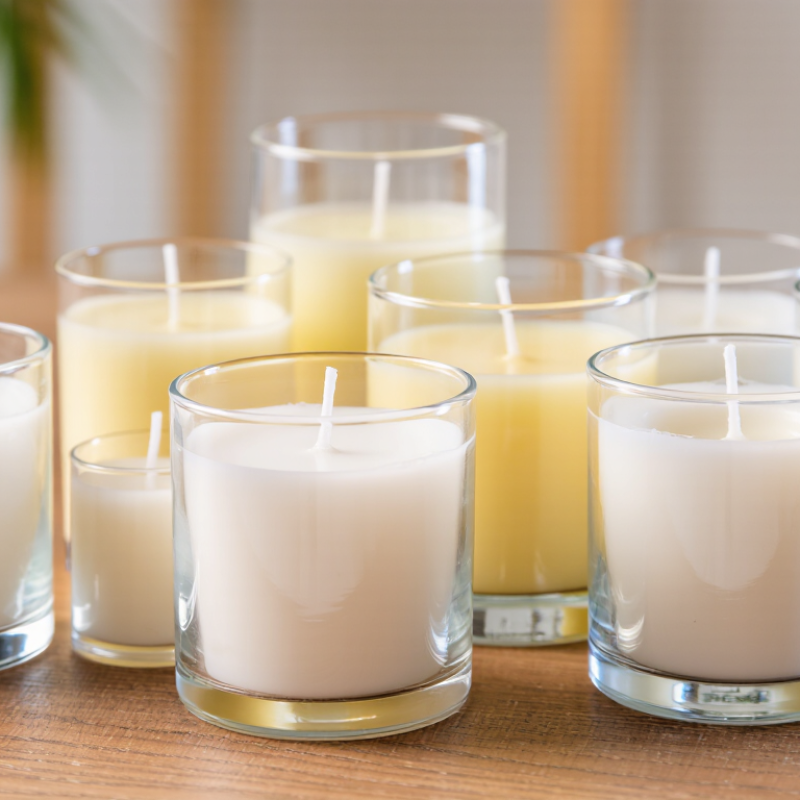
Natural wax candles are made from plant- or animal-derived waxes, rather than relying mainly on paraffin. For wholesale buyers, the wax name is only a starting point. Soy wax is common and can produce an even, creamy surface, though cooling conditions may leave frosting or small marks. Coconut wax is usually blended with harder waxes because it is soft on its own. Beeswax feels firmer and has a subtle scent that may affect fragrance choices. Rapeseed wax is another plant-based option, but availability and specifications vary.
No single wax suits every vessel or fragrance. Request the exact blend, batch documentation, and recommended wick range, then test finished candles in the intended container. Small differences matter. Test before scaling. Look for a steady flame, an even melt pool, and manageable residue after repeated burns. A wax that performs well in a wide tumbler may tunnel in a narrow jar. Fragrance, dye, wick choice, and room temperature also influence results.
For larger orders, ask how the supplier maintains consistency between batches and documents raw-material origins. “Natural” is not a complete technical specification; it does not explain blend ratios, additives, or performance. Wax sourcing is not always as tidy as a product sheet suggests. Some blends improve appearance but complicate ingredient disclosure or repeatability.
| Wax Type | Primary Source | Common Candle Formats | Typical Appearance | Fragrance and Performance Considerations | Wholesale Buying Checks |
|---|---|---|---|---|---|
| Soy wax | Hydrogenated soybean oil | Container candles; some wax melts and molded products, depending on the formulation | Usually creamy white to ivory; may develop a frosted or uneven surface as it cools | Often used in scented container candles. Results vary with the wax grade, fragrance, wick, vessel, and production method. | Ask whether the wax is intended for containers or molds, and request consistent specifications and burn-test results for the finished candle. |
| Beeswax | Wax produced by honey bees | Tapers, pillars, votives, and sheets rolled into candles | Commonly golden yellow, but filtered or bleached grades can be lighter; natural color and aroma can vary | Has a characteristic honey-like scent that may influence or compete with added fragrances. Hardness and behavior depend on the grade and candle design. | Check the stated origin, color grade, filtration, and whether the product is pure beeswax or a blend. Confirm that the appearance and aroma are consistent with the product brief. |
| Coconut wax | Processed coconut oil, often used in blends | Primarily container candles and blended wax products | Typically white to off-white and smooth, though the final finish depends on formulation and cooling | Frequently selected for scented container candles. Pure coconut-based wax can be soft, so many commercial formulations combine it with other waxes. | Request the full wax composition and intended application. Verify that the formulation is suitable for the container, climate, shipping conditions, and required burn tests. |
| Palm wax | Palm oil | Pillars, votives, and some container candles, depending on the grade | May form distinctive crystalline or feather-like patterns; appearance depends on the wax and cooling conditions | Usually has a relatively firm structure in candle formulations. Fragrance performance and visual patterning vary by grade and production process. | Ask for traceability and credible sustainability documentation where relevant. Confirm the intended candle format and test the finished product rather than relying on appearance alone. |
| Rapeseed (canola) wax | Oil from rapeseed, also known as canola in some regions | Container candles and blends; some grades are formulated for other candle types | Often pale or creamy, with finish and color influenced by the specific grade and additives | Used in scented candles, but fragrance compatibility, adhesion, and burn characteristics depend on the formulation and wick pairing. | Check the supplier’s stated crop origin, composition, and grade. Confirm regional availability and test for surface finish, scent performance, and burn quality. |
Natural wax is not a single standardized material: grades, blends, additives, and manufacturing methods can change candle performance. For wholesale orders, request current specifications and evaluate samples through burn testing. Sustainability claims should be supported by relevant, verifiable sourcing documentation.
Burn samples in identical containers, in the same room, for equal times. Check flame stability, melt pools, and soot. Record results across several candles; one good first burn proves little.
Ask where the wax comes from and request composition documents. Check wick materials, packaging, and shipping distance too. Recycled cartons help, but they do not answer every sourcing question.
Include freight, packaging, minimum order quantities, and likely defects. Compare the total with burn time and presentation. A low unit price can disappoint if candles arrive damaged.
A small order can reveal uneven burns, damaged packaging, or weak scent performance. Keep notes on failures as well as successes. I might be too cautious here, but surprises cost money.
Soy often fits everyday home-fragrance shelves. Beeswax may appeal to shoppers who prefer a subtle scent and traditional look. Coconut blends can suit premium ranges, but check their full composition.
Clear scent descriptions, gift-ready packaging, and several price-friendly sizes can help. Compact tins may fit a small lifestyle shop; glass vessels may suit gift displays.
No. About seven in ten U.S. households use candles, often for comfort and ambience. That figure cannot predict demand in every region or price range.
Start with a limited range and track sell-through and customer comments. Seasonal results can shift; a scent that sells in winter may sit untouched in summer. Small tests matter.
Natural Wax Candles are made from renewable or naturally derived materials, with soy, beeswax, coconut, and blended waxes each offering different benefits. Soy wax is often valued for its smooth appearance and accessible cost, beeswax for its distinctive natural character and longer burn, and coconut wax for its creamy finish and fragrance performance. Blended waxes can combine desirable qualities, so wholesale buyers should compare burn consistency, scent throw, appearance, and suitability for different candle formats rather than relying on material names alone.
For wholesale purchasing, consider product quality, sustainability claims, unit cost, minimum order quantities, and the reliability of suppliers. Clear documentation and relevant certifications can help support purchasing decisions, while protective, practical packaging can reduce damage during shipping and improve shelf presentation. The right selection depends on the target retail market: customers may prioritize natural ingredients, attractive design, fragrance options, or value. Matching these preferences with consistent performance and dependable supply can help buyers build a well-rounded candle assortment.