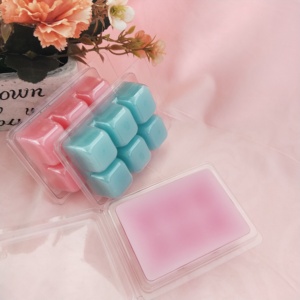
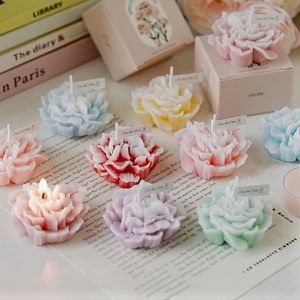
Customized Fragrance Wax Cube Fragrance Wax Melt
Wax Base:100% Soy/Botanical
Fragrance Load:8% - 12% Concentrated
Melting Point:48°C - 52°C
MOQ:1,000 Packs
Engineered with high fragrance payload (up to 12%), non-toxic vegetable wax bases, and compliant with EU REACH, CLP, and IFRA standards.
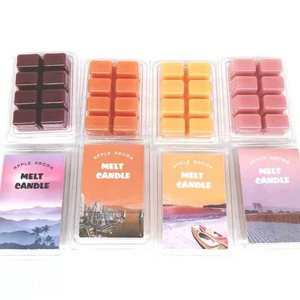
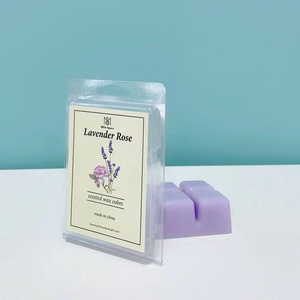
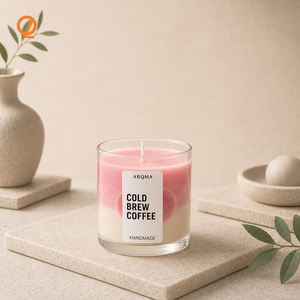
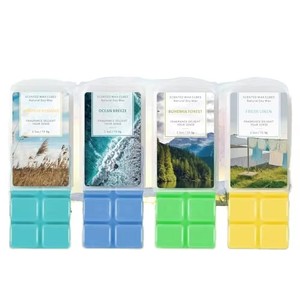
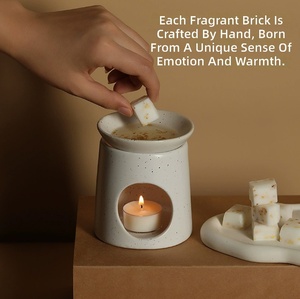
Analyzing shifts in consumer safety preferences, material economics, global compliance, and sustainable manufacturing practices for retail buyers.
Global procurement is aggressively decoupling from paraffin (petroleum derivative) due to consumer demand for clean-air combustion. Leading factories in China are now specializing in proprietary blends of soy wax, rapeseed wax, coconut wax, and ethically harvested beeswax.
The enforcement of the EU IFRA 51st Amendment and strict CLP/REACH labelling mandates that suppliers possess full chemical traceability. Advanced OEM facilities use thermal micro-encapsulation to lock in fine fragrances without sweating or frosting over extended shelf life.
While thermoformed plastic clamshells remain a high-volume standard, the procurement curve is rapidly shifting toward post-consumer recycled (rPET) plastics, biodegradable molded sugarcane pulp, and FSC-certified paperboard packaging with bio-based window films.
Understanding the physics of scent throw, thermal stability, and cosmetic-grade crossover products.
| Performance Dimension | Legacy Industry Standard | 2026 Advanced China OEM Standard | Commercial Impact for Brands |
|---|---|---|---|
| Fragrance Loading Capacity | 5% - 7% Payload | 8% - 12% High Payload (Encapsulated) | Dramatically stronger cold and hot scent throw; higher customer retention. |
| Wax Base Composition | Paraffin or Synthetic Blends | Hydrogenated Soy + Coconut + Rapeseed | 100% Vegan, soot-free, eco-friendly marketing claims backed by lab data. |
| Polymorphism / Frosting Control | High Risk of White Surface Frosting | Proprietary Micro-Crystal Inhibitors | Maintains flawless cosmetic finish across long shipping cycles and temperature changes. |
| Regulatory Documentation | Basic Safety Data Sheet (SDS) | CPSR, CPNP, IFRA 51st, CLP, REACH, SDS | Zero customs clearance friction; seamless import into EU, US, UK, & AU markets. |
| Melting Point Precision | Variable (45°C - 60°C) | Calibrated Range (48°C - 52°C ± 1°C) | Ensures fast scent release in low-wattage electric melters without burning notes. |
One of the most lucrative category expansions identified in modern home fragrance sourcing is the hybrid Massage & Bath Oil Wax Melt. Formulated under cosmetic GMP standards (ISO 22716), these melts utilize low-melting-point (38°C–42°C) hydrogenated botanical oils and shea butter. Once melted, the pool of liquid wax functions as a skin-safe, ultra-nourishing massage oil or bath additive. Sourcing from factories capable of bridging home fragrance with cosmetic-grade compliance allows private label brands to double their average order value (AOV).
Combining European perfumery expertise (Grasse-sourced accords) with scalable, highly automated Chinese manufacturing efficiency.
Top-tier Chinese manufacturers do not rely on generic synthetic scents. They work with master perfumers trained in Grasse, France, to build multi-layered top, heart, and base notes optimized specifically for the thermal behavior of wax matrices.
Every batch undergoes rigorous quality assurance: automated viscosity checks, color fastness testing, and multi-cycle burn chamber evaluation to quantify hourly scent throw retention and cold-air diffusion range.
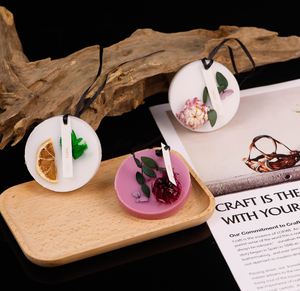
With custom silicone and metal mold fabrication in-house, prototype wax blocks, custom embossed logos, and novel geometric shapes can be sampled in as little as 7 to 10 working days, backed by flexible initial production runs starting from 500 units.
Key compliance, logistics, and technical answers for procurement managers and brand founders.
For standard clamshell catalog wax melts, MOQ typically starts at 500 to 1,000 units per fragrance reference. For fully customized 3D shapes, bespoke color dyes, or specialized outer rigid box packaging, production minimums generally range between 2,000 and 3,000 units per SKU depending on component tooling requirements.
Engineered wax formulations utilize precise melting point calibration (typically 48°C to 54°C for tropical/summer transit). Additionally, export shipments during peak summer months utilize reefer (refrigerated) sea containers or insulated thermal barrier pallet wraps to guarantee product integrity upon port arrival.
For the European Union, products require CLP (Classification, Labelling and Packaging) regulation labels, UFI (Unique Formula Identifier) registration, Safety Data Sheets (SDS), and IFRA conformity certificates. For the USA, compliance with OSHA SDS standards, TSCA regulations, and ASTM F2417 candle safety testing is standard.
Yes. OEM factories support both client-supplied fragrance oils (provided they include valid SDS, IFRA, and allergen analysis reports) and complete custom fragrance synthesis through our partner perfumery houses in France and Switzerland.
Sampling and olfactive validation require 1 to 2 weeks. Once artwork and scent profiles are signed off, mass manufacturing typically takes 3 to 4 weeks. Repeat orders on existing formulations can be expedited within 15 to 20 business days.
While paraffin wax historically had a strong initial cold throw, modern hydrogenated soy and coconut botanical wax blends engineered with micro-crystal modifiers now match or exceed paraffin performance. Soy melts provide a cleaner, longer-lasting hot scent throw because they burn cooler and evaporate fragrance oils more evenly over time.
Connect directly with our technical engineering team for fragrance samples, custom wax formulation advice, and competitive wholesale pricing tailored to your brand's market requirements.