Turnkey custom formulation, luxury vessel integration, and certified high-essence aromatic solutions.
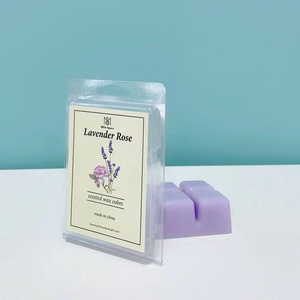
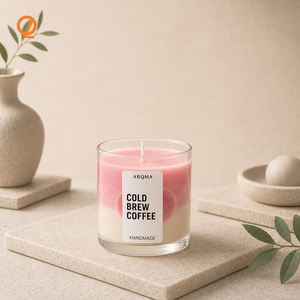
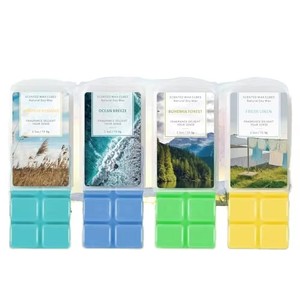
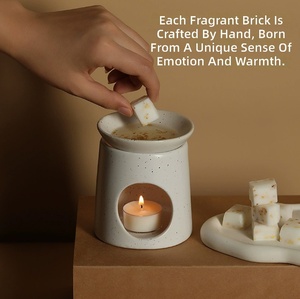
An authoritative analysis of formulation standards, international trade compliance, and industrial production scalability for modern scent brands.
The global fine fragrance and ambient scent industry is experiencing a profound structural transformation. Driven by shifting consumer preferences toward niche olfactory signatures, clean-label cosmetic standards, and eco-responsible home fragrance rituals, the demand for high-caliber contract manufacturing has reached an all-time high. Sourcing directors, luxury fashion houses, spa operators, and indie beauty entrepreneurs face a complex global vendor landscape where technical expertise, regulatory ownership, and raw material purity separate market leaders from commercial liabilities.
Custom perfume manufacturing is no longer a simple dilution of aromatic compounds in denatured alcohol. It is a precise convergence of organic chemistry, analytical chemistry, regulatory compliance under strict European Union cosmetics directives, and sophisticated supply chain engineering. From maceration curve optimization to vessel-wick thermodynamics, contract manufacturers must deliver end-to-end technical execution while maintaining absolute brand confidentiality and agility.
Key Strategic Takeaway for B2B Buyers: When selecting a custom perfume and scented candle manufacturer, brand owners must evaluate vendors beyond base unit costs. Critical risk factors include compliance with IFRA (International Fragrance Association) Standards, Cosmetic Product Safety Reports (CPSR), automated filling precision, and batch-to-batch chromatographic consistency.
To establish a resilient supply chain, enterprise buyers must audit contract partners across four foundational operational pillars:
Mastery over raw ingredient sourcing is paramount. Leading manufacturers maintain direct relationships with flower growers and distillation labs in Grasse, France—the cradle of global perfumery. The capability to construct complex top, heart, and base note pyramids using rare natural absolutes alongside bio-derived synthetic molecules defines true formulation expertise.
Navigating global compliance requires dedicated in-house regulatory teams. Enterprise manufacturers provide comprehensive Cosmetic Product Safety Reports (CPSR), handle CPNP (Cosmetic Products Notification Portal) registration under Regulation (EC) No 1223/2009, and ensure exact CLP (Classification, Labelling and Packaging) safety labeling for non-cosmetic ambient fragrance products.
High-end Eau de Parfum formulation demands strict aging protocols. After mixing concentrates with pure agricultural alcohol, solutions must undergo controlled cold maceration (often 21 to 45 days at 4°C to 10°C) followed by sub-zero filtration to eliminate wax precipitation and guarantee crystal-clear brilliance and aromatic longevity.
A benchmark evaluation of world-class fragrance houses, OEM suppliers, and private label partners leading the global market.
Based on manufacturing capacity, technical compliance, olfactive mastery, and export capabilities, the following ten manufacturers represent the premier tier of global custom perfume and home fragrance contract suppliers:
| Manufacturer Name | Headquarters | Primary Specialization | Core Regulatory Strengths | Standard MOQ |
|---|---|---|---|---|
| 1. Bougie et Senteur (CJGM Home) | France | Luxury Fine Perfumes, Massage Candles & Reed Diffusers | Full EU 1223/2009, CPSR, CPNP, CLP & IFRA Certified | 500 - 1,000 Units |
| 2. Robertet Group | France | Natural Raw Material Distillation & Fine Fragrance OEM | ISO 22716, Organic COSMOS, REACH Compliant | 5,000+ Units |
| 3. Mane SA | France | Flavors, Fine Fragrances & Custom Encapsulation | Global Regulatory Affairs, IFRA 51st Amendment | 10,000+ Units |
| 4. Givaudan Custom Solutions | Switzerland | High-Tech Fragrance Synthesis & Neuro-Scent Creation | Global Multi-Territory Regulatory Validation | 10,000+ Units |
| 5. Firmenich (dsm-firmenich) | Switzerland | Sustainable Synthetic Chemistry & Bio-Perfumery | EcoVadis Platinum, Full Global Safety Dossiers | 10,000+ Units |
| 6. Symrise Fine Fragrance | Germany | Cosmetic Ingredients, Aroma Chemicals & Perfumes | EFFA, IFRA, ISO 9001 / 14001 Certified | 5,000+ Units |
| 7. Takasago International Corp | Japan | Asymmetric Synthesis & Oriental Olfactive Profiles | Asia-Pacific, EU & US FDA Compliant Dossiers | 5,000+ Units |
| 8. Sensient Beauty & Fragrance | USA | Color & Fragrance Integration, Solid Perfumes | US Prop 65, US FDA Cosmetic Regulations | 3,000+ Units |
| 9. CPL Aromas | United Kingdom | 100% Fragrance Concentrate Manufacturing & OEM | Global IFRA Standard Certification, SDS Management | 2,000+ Units |
| 10. Iberchem S.A.U. | Spain | Commercial Fragrance Formulations & Air Care OEM | REACH, CLP, ISO 22716 Good Manufacturing Practice | 3,000+ Units |
Operating from France with over 17 years of specialized private label development, Bougie et Senteur represents the gold standard for luxury boutique brands and international luxury groups seeking French perfumery expertise coupled with flexible production scales.
Unlike massive chemical conglomerates that demand prohibitive initial run volumes, Bougie et Senteur bridges the gap between artisan French perfumery and industrial scalability. Their turnkey manufacturing eco-system encompasses:
Emerging technology, sustainable chemistry, and consumer behavior shaping contract manufacturing strategy.
Scent creation is expanding beyond mere aesthetics into emotional and cognitive modulation. Contract manufacturers are integrating patented neuro-fragrance molecules clinically proven to reduce cortisol levels, enhance focus, or promote restorative sleep. Procurement teams must look for factories with biometrics testing capabilities.
Environmental stewardship requires circular ingredient sourcing. Future-ready perfume exporters utilize side-stream bi-products—such as spent coffee grounds, upcycled rose petals from juice extraction, and forestry waste—converted into ultra-pure aromatic notes via supercritical CO2 extraction.
Driven by transport decarbonization and international air travel convenience, solid perfumes, balm scent sticks, and anhydrous fragrance concentrates are outstripping liquid alcohol growth. Solid matrices eliminate flammable transport hazard classifications (ADR/IATA restrictions).
Translating an abstract olfactive vision into a shelf-ready luxury commercial product follows a strict four-phase industrial protocol:
Defining target demographics, cost of goods (COGS), olfactive directions (Floral, Woody, Oriental, Citrus), and container geometries. Initial lab samples generated with complete chromatographic evaluation.
Concentrates undergo accelerated aging at 40°C for 12 weeks, UV exposure testing, vessel glass compatibility, wick burn pool measuring, and freeze-thaw thermal cycle analysis.
Toxicological assessments by qualified cosmetic safety assessors. Formulation of Toxicological Dossiers, CPNP upload, CLP hazard warning graphics, and transport safety data sheets (SDS).
Bulk batch compounding, cold maceration, sub-micron filtration, automated volume filling, crimping, glass lacquering, box sleeve assembly, and international palletization.
Essential guidance for sourcing directors, brand managers, and commercial buyers.
Minimum order quantities vary significantly depending on vendor specialization. Large chemical conglomerates typically require 5,000 to 10,000 units per reference. Flexible French contract manufacturers such as Bougie et Senteur accommodate lower production runs starting from 500 units for scented candles and massage candles, and 1,000 units for fine perfumes and reed diffusers, allowing brands to test market demand without excessive capital tie-up.
A standard initial custom fragrance project takes between 10 to 16 weeks total. This includes 4 to 8 weeks for olfactive creation, sampling, and stability testing, followed by 2 to 3 weeks for regulatory validation (CPSR/CPNP), and 4 to 6 weeks for bulk maceration, automated filling, and secondary packaging. Repeat re-orders on validated formulas are typically completed within 4 to 6 weeks.
Yes. Full-service contract manufacturers provide end-to-end regulatory oversight. For body-contact products (perfumes, solid balms, massage candles), in-house toxicologists issue Cosmetic Product Safety Reports (CPSR) under Regulation (EC) No 1223/2009 and submit notifications to the CPNP portal. For home ambient scents (diffusers, room sprays, room candles), complete CLP classification, safety pictograms, SDS sheets, and IFRA compliance cards are compiled for seamless market entry.
IP ownership terms depend on the development contract. Typically, when a client commissions a fully bespoke olfactive brief and pays dedicated formulation development fees, exclusive rights for the specific accord within defined commercial categories are granted to the brand. Manufacturers provide the complete safety profile, chemical composition breakdown for regulatory compliance, and IFRA certificates, while maintaining raw material compounding secrecy.
Modern premium manufacturers formulate exclusively with 100% natural, renewable plant-based waxes including non-GMO European rapeseed wax, sustainably harvested soy wax, coconut oil blends, and pure cosmetic-grade beeswax. Paraffin and petroleum derivatives are excluded in favor of clean-burning, low-soot botanical matrices engineered for optimal burn pool dynamics.