Engineered for international beauty brands, luxury retailers, and institutional buyers requiring strict EU/FDA regulatory compliance and superior scent throw.
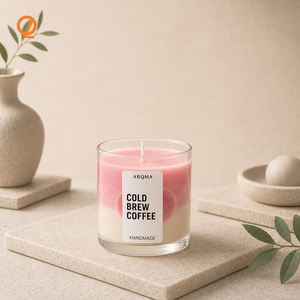
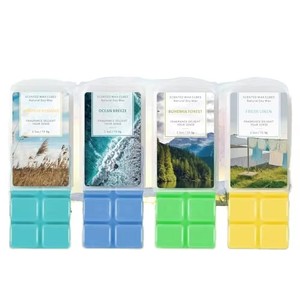
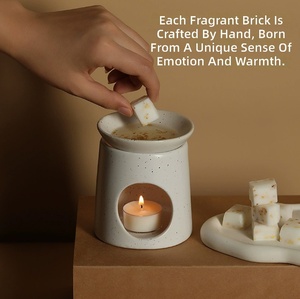
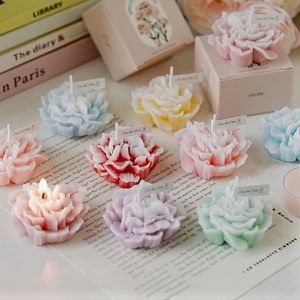
A technical guide for procurement directors, retail category heads, and cosmetic brand founders on auditing, qualifying, and scaling contract manufacturing partnerships.
The market for contract manufacturing in cosmetics, home fragrances, and personal care products has undergone a structural transformation. Global sourcing leaders no longer evaluate suppliers solely on per-unit FOB pricing. Instead, the tier-one selection criteria now center on regulatory auditability (specifically under European Regulation (EC) No 1223/2009 and US MoCRA guidelines), raw material traceability, fragrance load stability, and automated batch consistency.
Whether sourcing high-concentration vegetable wax melts, fine fragrances, or skin-safe massage candles, selecting the correct wholesale cosmetic manufacturer determines not only product margin, but also brand equity and legal market liability. Below is an exhaustive breakdown of evaluation parameters required to vet top-tier exporters.
A premier exporter must possess in-house regulatory personnel capable of drafting Cosmetic Product Safety Reports (CPSR), executing CPNP notifications, providing REACH dossiers, and formulating according to strict IFRA 51st Amendment guidelines. Failure in documentation causes complete supply chain disruption at customs barriers.
Industrial scale wax melts and candles demand rigorous thermal stability testing. Elite manufacturers evaluate cold throw versus hot throw performance, wick capillary action, and surface crystallization across varying storage temperatures (e.g., 40°C accelerated thermal chamber testing over 12 weeks).
With environmental directives intensifying globally, leading suppliers utilize non-GMO plant waxes (soy, rapeseed, sunflower, coconut) combined with RSPO-certified palm derivatives or pure beeswax. Synthetic paraffin must be phased out or replaced with food-grade refined mineral bases when explicitly required.
Analyzing key paradigm shifts shaping the wholesale cosmetics, home ambient scenting, and private label personal care sectors.
Modern consumers demand scent experiences that transcend basic ambiance. Procurement teams are heavily sourcing aromachology formulations—scents scientifically proven to lower cortisol levels, enhance focus, or induce restful sleep. OEM facilities are embedding encapsulated essential oils and functional terpenes into wax melts and room sprays to substantiate wellness claims.
The boundaries between home ambiance and personal care are blurring. Hybrid products like massage candles and bath oil melts represent high-growth categories. Formulated with cosmetic-grade hydrogenated vegetable oils, shea butter, and low-melting point ester bases, these products melt at skin-safe temperatures (38°C–42°C), transitioning seamlessly from room ambient decor to intensive dermal treatments.
The era of 50,000-unit minimum order thresholds for custom formulations is waning. Advanced manufacturing plants are implementing automated flex-filling lines. This allows boutique brands and luxury chains to initiate custom private label runs at 500 to 1,000 units per SKU, reducing capital risk while speeding up time-to-market for seasonal collections.
Regulatory tightening across Europe and North America regarding Volatile Organic Compounds (VOCs) is driving the adoption of bio-based, low-vapor-pressure solvents for reed diffusers and room sprays. Exporters are shifting toward soy-derived methyl esters and dowanol-free carrier matrices that deliver continuous diffusion without atmospheric toxicity.
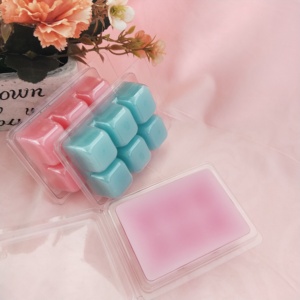
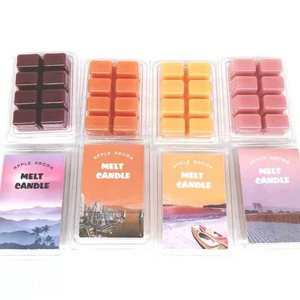
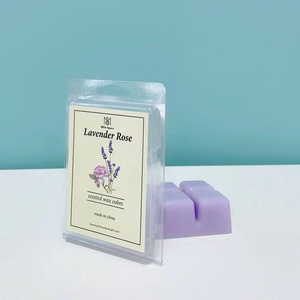
Exporters are revamping packaging standards to pass stringent EPR (Extended Producer Responsibility) legislation. Clamshell wax melts are transitioning from traditional PVC to 100% post-consumer recycled (PCR) PET or biodegradable molded pulp. Secondary packaging emphasizes soy-based inks, FSC-certified boards, and plastic-free shipping inserts.
Leveraging French perfumery heritage and European chemical control standards to deliver unmatched contract manufacturing services.
Formulations are developed in direct collaboration with master perfumers in Grasse, France. We translate written brand briefs into complex olfactory pyramids, controlling top, heart, and base note evaporation curves specifically adapted to wax matrices and room spray alcohols.
Our production facilities operate under Good Manufacturing Practice (GMP) principles as outlined in ISO 22716. Every batch undergoes microbiological control, stability checks, retain sample archival, and strict batch-numbering for complete forward and backward supply chain traceability.
From initial laboratory sampling and artwork validation to CLP-compliant safety hazard labeling, secondary outer carton design, and palletized shipping (FOB, EXW, FCA, DAP), our team coordinates full freight compliance for international customs smooth passage across 28+ countries.
Essential guidance for global sourcing agents, retail buyers, and cosmetic brand developers.
Standard OEM/ODM production runs start at 500 units per reference for scented candles, massage candles, and customized wax melts. Fine fragrances, room sprays, and reed diffusers typically carry an initial minimum of 1,000 units per SKU, depending on custom bottle decoration and glass lacquering requirements.
Yes. Our in-house perfumers create bespoke olfactive profiles based on your scent brief or benchmark target. Every custom fragrance submission includes complete documentation: Safety Data Sheets (SDS), IFRA Certificate of Conformity, mandatory allergen declarations, and CLP compliance artwork specs for packaging layout.
For body-contact items (such as massage candles and solid perfumes), our toxicologists generate the official Cosmetic Product Safety Report (CPSR) required under European Regulation (EC) No 1223/2009 and perform CPNP notifications. For US-bound shipments, formulas align with FDA MoCRA listing and labeling requirements.
New formula development and olfactive sampling generally require 4 to 6 weeks. Following sample sign-off, regulatory dossier finalization, and packaging component receipt, mass manufacturing takes approximately 5 to 8 weeks. Repeat orders for validated SKUs are executed within 4 to 6 weeks.
We specialize in 100% natural plant waxes including European rapeseed wax, non-GMO soy wax, coconut wax compounds, and pure cosmetic beeswax. All raw ingredients are fully traceable, cruelty-free, and formulated without paraffin or toxic additives.
Initiate your private label project with industry-leading olfactive experts, certified cosmetic formulators, and global export specialists.