Explore our industrial-grade pure beeswax, custom botanical wax cubes, clamshell melts, and luxury aromatherapy series engineered for global beauty, spa, and lifestyle brands.
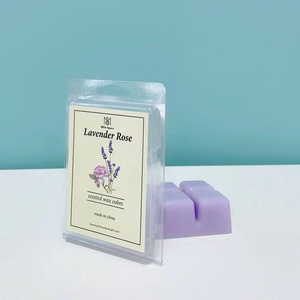
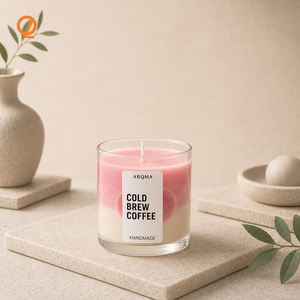
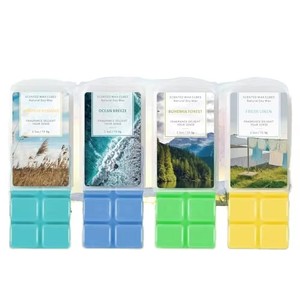
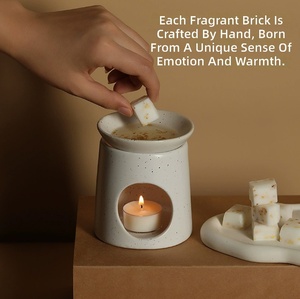
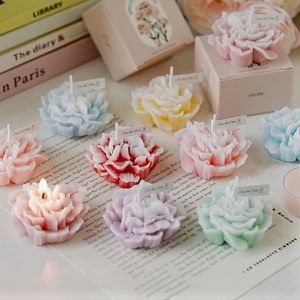
A comprehensive examination of raw material selection, combustion kinetics, and global compliance for institutional candle buyers, retail procurement directors, and brand developers.
Commercial beeswax (Cera Alba and Cera Flava) consists of over 300 biological compounds, predominantly monoesters, hydroxy-monoesters, hydrocarbon chains, and free fatty acids. For luxury home fragrance and cosmetic massage candles, maintaining an authentic ester-to-acid ratio (typically 3.3 to 4.3) is critical. Adulteration with paraffin or microcrystalline waxes destabilizes wick capillarity and compromises soot emissions.
Unlike paraffin waxes derived from petro-chemical synthesis, pure beeswax possesses a high melting threshold between 62°C and 65°C. When ignited, beeswax undergoes slow, complete oxidation, emitting negative ions that neutralize particulate pollutants, dust, and airborne allergens. This natural purification mechanism makes beeswax the primary choice for wellness-focused consumers and premium spa environments.
Integrating fine fragrance oils from Grasse into dense lipid matrices requires precision formulation. While soy wax caps oil loading at 6-8%, specialized beeswax-botanical hybrid bases accommodate up to 10-12% fragrance concentration without cold-sweating or structural cracking. This provides exceptional hot throw performance across extensive room dimensions.
Quantitative benchmark comparing pure beeswax against alternative commercial wax media.
| Performance Parameter | Pure Beeswax (Cera Alba) | Soy Wax (Hydrogenated) | Paraffin Wax (Petroleum) | Beeswax-Coconut Hybrid |
|---|---|---|---|---|
| Melting Point (°C) | 62°C – 65°C | 45°C – 52°C | 56°C – 60°C | 52°C – 58°C |
| Burn Duration Index | Ultra-Long (1.5x Soy) | Moderate | Fast / High Flammability | Extended / Smooth Melt |
| Soot & VOC Footprint | Zero Toxic VOCs / Negative Ion | Low Soot / Clean Burn | High Benzene/Toluene Output | Zero Toxic VOCs / Ultra-Clean |
| Max Fragrance Load | 8% – 10% (Pure) | 6% – 8% | 8% – 10% | 10% – 12% (Optimized) |
| Shrinkage & Container Adhesion | High Shrinkage (Requires Blending) | Low Shrinkage / Good Adhesion | Moderate Shrinkage | Seamless Container Glass Pour |
| Skin-Safety Profile (Massage) | Cosmetic Grade / Nourishing | Dermatological Compatible | Non-Cosmetic / High Burn Risk | Superior Spa Ergonomics |
Key technological, regulatory, and consumer shifts driving global supply chain strategy for natural home fragrances and cosmetic candles.
Global brands are shifting rapidly away from palm oil and unverified soy supply chains to comply with stringent European Union regulations. Pure beeswax sourced via ethical apiculture offers 100% traceable carbon neutral footprints, positioning it as the premier sustainable luxury medium for forward-thinking brand portfolios.
With price discrepancies driving adulteration in raw wax markets, major retail buyers are implementing C-14 radiocarbon testing protocols. Institutional suppliers must now provide analytical certificates verifying zero fossil-fuel derived hydrocarbons within their organic beeswax production lines.
The boundaries between home ambiance and personal care continue to blur. Formulations integrating beeswax, shea butter, and jojoba oils yield low-melting point cosmetic burn profiles (38°C–42°C). These products transition seamlessly from atmospheric home fragrance into rich, skin-safe massage treatments compliant with EU Cosmetic Regulation (EC) No 1223/2009.
Combining French perfumery heritage around Grasse with rigorous industrial manufacturing discipline and full European regulatory ownership.
Our in-house master perfumers compose exclusive scent signatures using natural absolutes and refined aromatic compounds sourced directly through the Grasse ecosystem in the South of France. Every fragrance formulation undergoes thermal stability and diffusion testing in target wax bases prior to bulk manufacturing.
Our manufacturing suites operate under strict Good Manufacturing Practice (GMP) principles. From computerized automated thermal pouring lines to hand-set cotton and wooden wick calibration, every production run is tracked via detailed batch records, retain sampling, and rigorous visual quality controls.
We eliminate global regulatory risk for our partners. Our dedicated regulatory team manages complete documentation packages: Cosmetic Product Safety Reports (CPSR), CPNP portal notifications, CLP hazard classification and labeling, Safety Data Sheets (SDS), and IFRA Category 11A compliance dossiers.
Direct technical answers addressing minimum order volumes, custom formulation cycles, container compatibility, and international logistics.
Our industrial production runs typically start from 500 units per reference for standard poured scented candles and cosmetic massage candles in stock glass or ceramic vessels. For fully custom vessel shapes, proprietary pantone glass lacquering, or bespoke outer rigid packaging, MOQs generally begin at 1,000 to 3,000 units depending on component supplier mold tooling.
Yes. Working alongside our perfumery team in Grasse, France, we craft exclusive olfactory signatures based on your brand brief or targeted mood profile. Every fragrance submission includes complete olfactive pyramid breakdowns, IFRA compliance validation, safety dossiers, and real-world burn test performance evaluations in your selected beeswax matrix.
Pure beeswax exhibits high natural volumetric contraction upon cooling. To guarantee flawless glass adhesion and complete edge-to-edge melt pools without tunneling, our chemical formulators engineer proprietary Beeswax-Coconut or Beeswax-Rapeseed botanical blends. Additionally, we precisely calibrate cotton or linen-cored wick sizing to match the exact thermal conductance of your vessel diameter.
Every shipment is accompanied by comprehensive quality control documentation including: Certificate of Analysis (CoA), Safety Data Sheets (SDS per GHS/REACH), CLP Labeling Guidelines, EN 15494 Candle Safety Standards Compliance, and Certificate of Origin. For cosmetic massage candles, full CPSR safety assessment dossiers and CPNP numbers are supplied prior to commercial release.
A standard private label development lifecycle requires 4 to 8 weeks for scent creation, wax matrix stability testing, and pre-production sample approval. Industrial manufacturing, filling, aging, and secondary packaging require an additional 5 to 8 weeks following artwork finalization. Repeat automated batch orders on approved formulations are produced within 4 to 6 weeks.
We execute rigorous thermal stress testing in specialized environmental chambers, subjecting finished candle assemblies to sustained temperatures of 45°C for 72 hours. This guarantees that wax formulations, fragrance oils, and wick positioning remain stable during maritime and freight transport across tropical climate zones.
Partner with a trusted French manufacturing powerhouse. Contact our engineering team today for technical feasibility studies, custom scent samples, and transparent OEM pricing.