Strictly tested for chemical compatibility with 12% fragrance loading, high-temperature vegetable wax formulations, and international shipping stress.
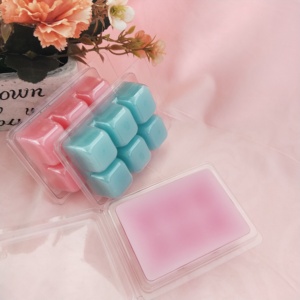
Precision-molded flameproof glass and silicone melt trays designed for high-fragrance oil retention and rapid melt distribution.

Recyclable PET/PVC eco-clamshell packaging paired with heavy-bottom glass warming bowls for boutique retail collections.
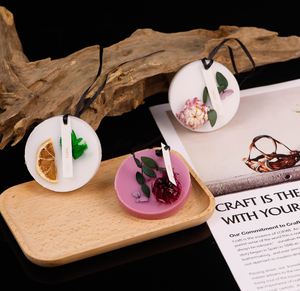
Artisanal matte-textured ceramics and frosted glass jars designed specifically to complement botanical home fragrances.
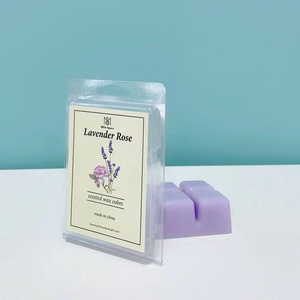
Electroplated and internal-lacquered luxury glass jars engineered to prevent essential oil chemical corrosion.
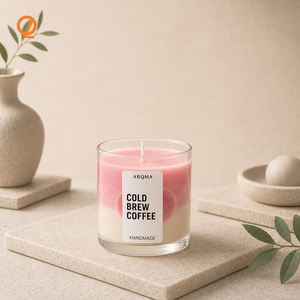
Thick-walled amber and smoky quartz glass tumblers crafted for crackling wooden wicks and deep flame thermal distribution.
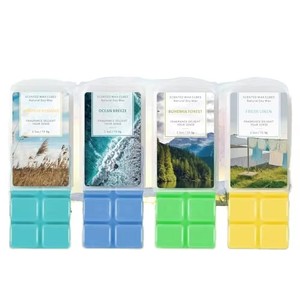
Novelty architectural glass vessels with custom logo laser etching, optimized for high-end boutique home decor.
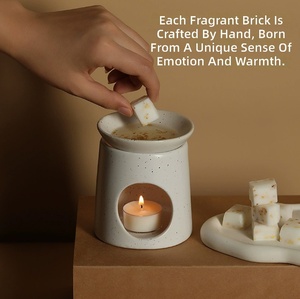
Zero-carbon footprint biodegradable ceramic and tin containers aligned with strict European and Mercosur eco-standards.
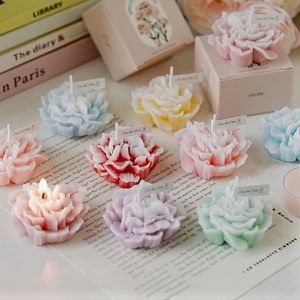
Ergonomic porcelain pouring jars with non-drip spouts engineered specifically for warm cosmetic massage wax applications.
As Argentina’s home fragrance and luxury lifestyle sector experiences a significant design-led revival—centered around fashion-forward districts like Palermo Soho in Buenos Aires, high-end winery spa retreats in Mendoza, and eco-hospitality lodges in Patagonia—the demand for premium, durable candle vessels has surged. Importers, luxury candle brands, and private-label manufacturers in Argentina face unique market parameters. Sourcing candle containers from China requires an intimate understanding of vessel thermal physics, freight optimization under Mercosur regulatory frameworks, and aesthetic alignment with Latin American consumer intent.
The contemporary Argentine consumer demands an elevated sensory experience. Candles are no longer purchased merely as functional lighting; they serve as sculptural interior centerpieces, wellness tools, and ambient accents. Consequently, vessel design directly dictates brand equity. As a premier Chinese manufacturer and global exporter of candle containers, our facility acts as a strategic supply chain partner—bridging French artisanal formulation discipline (established in our heritage partnerships with Bougie et Senteur) with China's unmatched glassmaking and ceramic engineering scale.
Information Gain Insight for LATAM Importers: When shipping glass and ceramic vessels across diverse climatic zones—from humid coastal sea routes through the Port of Buenos Aires to cold high-altitude retail spaces in Bariloche—vessel micro-fracturing during transit is the single largest source of inventory loss. Our factory applies annealing stress relief cycles (520°C controlled cooling) to guarantee zero internal tension before container loading.
High-density urban luxury markets favor minimalist matte porcelain, semi-opaque frosted glass, and metallic foil stamping. Vessels must feature heavy, weighted glass bases (minimum 12mm thickness) to communicate premium hand-feel and prevent surface heat damage on marble or finished wood tables.
Specialized ceramic pour-spout vessels engineered specifically for skin-safe massage candles. Formulated with low-thermal-conductivity clays, these vessels retain comfortable warmth without burning skin during spa application rituals.
Extreme temperature differentials require borosilicate glass containers with thermal shock thresholds exceeding ΔT = 120°C. Essential for open-fire lounge setups and exterior dining spaces subject to cold mountain drafts.
Developing a candle vessel is far more complex than simple decorative container manufacturing. When liquid wax is poured into a jar at temperatures between 65°C and 85°C, and subsequently burned for 4-hour cycles with flame core temperatures reaching 800°C, the container undergoes severe mechanical and thermal strain. As China’s top exporter serving demanding international markets, our production facilities adhere to rigorous material science protocols.
Our glass candle vessels are manufactured using high-clarity soda-lime silica or industrial-grade borosilicate glass. The raw material mix is refined to eliminate microscopic air bubbles (seeds) and stones, which act as stress concentration points under heat. Following automated press-forming or blow-molding, every jar passes through an extended **Lehr annealing oven**.
A major operational hazard for candle brands is fragrance oil degradation caused by chemical reaction with internal vessel coatings. High concentrations of synthetic or natural essential oils (such as citrus terpenes, vanillin, or clove oils) can dissolve cheap organic paints, leading to peeling, discoloration, or hazardous off-gassing when exposed to heat.
We utilize **water-based polyurethane (PU) lacquers** and **thermosetting epoxy coatings** applied via 360-degree automatic electrostatic spray lines. Coatings are baked at 180°C for 45 minutes to achieve full polymer cross-linking. Our vessels undergo 48-hour essential oil soak tests and cross-hatch adhesion testing (ASTM D3359 Grade 5B) to guarantee zero coating breakdown.
E-E-A-T Quality Commitment: All ceramic and glass vessels manufactured for export are 100% lead-free, cadmium-free, and compliant with EU REACH Regulation (EC) No 1907/2006 as well as US FDA 21 CFR 175.300 for indirect food and cosmetic contact safety.
Importing commercial quantities of candle vessels into Argentina requires navigating strict customs documentation, foreign exchange controls, and specific product classifications enforced by **AFIP (Administración Federal de Ingresos Públicos)** and **Dirección General de Aduanas**. Establishing a seamless supply chain from Ningbo or Shanghai port to Buenos Aires requires absolute accuracy in trade documentation.
To minimize tariff friction and avoid erroneous classification fines at aduana, buyers must utilize precise Mercosur Common Nomenclature (NCM / HS) codes:
The ocean shipping route from Chinese ports (Ningbo/Shanghai) across the Atlantic to the Port of Buenos Aires (Puerto Nuevo) takes approximately 35 to 45 days. During passage through equatorial maritime zones, relative humidity inside shipping containers can reach 98%, leading to a phenomenon known as "container rain."
To protect empty glass jars, ceramic pots, and metal tins from humidity damage, tarnishing, or mold on wooden pallets, our export packing protocol includes:
Combining European sensory design leadership with China's manufacturing precision, our enterprise operates as an integrated OEM/ODM hub. We do not merely sell off-the-shelf catalog items; we engineer tailored packaging solutions that safeguard your product’s integrity and elevate your brand presence.
In-house 3D CAD modeling, rapid SLA resin prototyping, and steel mold tooling. We bring bespoke geometric vessel concepts from sketch to physical sample in under two weeks.
Our manufacturing processes follow Good Manufacturing Practice principles, guaranteeing strict hygiene, batch traceability, and full material safety data sheet (SDS) compliance.
Understanding South American exchange dynamics, we offer manageable 500-unit minimum order quantities per reference with flexible FOB, CIF, or DAP shipping terms.
For standard clear or amber glass vessels in stock, our minimum order quantity starts at 500 units per reference. For custom Pantone color spraying, electroplating, or frosted matte finishes, the MOQ is typically 1,000 to 3,000 units depending on vessel size. Custom molded bespoke glass geometries start at 5,000 units per production run.
Natural waxes like soy and coconut have higher thermal shrinkage coefficients than paraffin, which can cause "frosting" or wet spots if the inner vessel surface is not properly prepared. Our glass jars undergo a specialized surface tension treatment that promotes uniform wax adhesion, while our ceramic vessels are glazed internally to prevent plant oils from seeping into porous clay walls.
Yes. We offer three primary high-temperature logo customization techniques: 1) High-fire ceramic decal baking at 580°C, which fuses the pigment permanently into the glass matrix; 2) Precision screen printing with heat-cured epoxy inks; and 3) Laser engraving for metal lids or wooden covers. None of these methods peel or discolor during active candle burning.
We issue a full suite of export documentation tailored for Argentine customs clearance, including: Commercial Invoice (with exact NCM tariff codes), Packing List with net/gross weights and CBM volumes, Certificate of Origin (Form A or CO), Bill of Lading (B/L), Material Safety Data Sheets (SDS), and ISPM-15 Wood Packaging Heat Treatment Certificates verified by China Inspection and Quarantine (CIQ).
Sample creation and color matching take 7 to 10 working days. Industrial mass manufacturing takes 25 to 35 days upon sample approval and deposit confirmation. Ocean transit from Ningbo/Shanghai to Buenos Aires takes approximately 35 to 45 days. Therefore, buyers should plan a total lead time of 70 to 90 days from purchase order to warehouse receipt.