B2B Manufacturing & Export Director Guide

Cosmetic Packaging Factory & Suppliers for the Ethiopia Market

Precision-Engineered Skincare Containers, Eco-Friendly PCR Plastics, Rigid Mailer Boxes, & Custom Glassware Tailored for East Africa’s Expanding Personal Care Hub.

Industrial Cosmetic Packaging Solutions for Ethiopian Brands

Providing ISO-certified manufacturing, robust UV-protective raw materials, and high-altitude thermal stability containers optimized for transit through the Port of Djibouti and Modjo Dry Port to Addis Ababa.

100%
ECAE & EFDA Compliant
15+
Years Manufacturing Excellence
2,350m
Altitude Pressure-Tested Seals
0.02mm
Precision Injection Molding

Featured Wholesale Cosmetic Packaging Portfolio

Select from our in-stock and customizable containers, specifically engineered to withstand ambient temperature shifts, high altitude UV exposure, and long-distance freight logistics across Ethiopia.
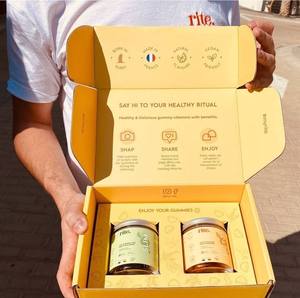
Custom Pink Cosmetic Corrugated Packaging Mailer Box

Free Sample Custom Logo Pink Color Cosmetic Corrugated Packaging Mailer Box Shipping Box Paper Box

Get a Quote
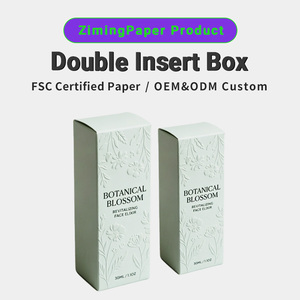
Custom Logo Embossed Floral Eco-Friendly Biodegradable Recyclable Cosmetic Box

Custom Logo Embossed Floral Eco-Friendly Biodegradable Recyclable Cosmetic Box Rigid Packaging for Skincare Serum

Get a Quote
The Diamond Cap Series Acrylic Set Premium Skincare Containers

The Diamond Cap Series Acrylic Set (15-120ml) Includes Cream Jars, Lotion, Serum, And Toner Bottles, Premium Skincare Containers

Get a Quote
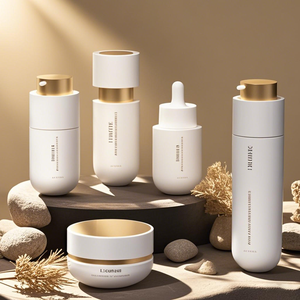
Luxury Speckled PCR Plastic Portable Cosmetic Packaging Set

Luxury Speckled PCR Plastic Portable Cosmetic Packaging Set Matte Skincare Bottle & Cream Jar Silk Screen Printed Custom Logo

Get a Quote
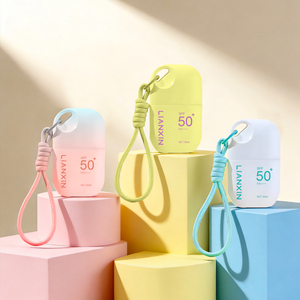
Oval Pink Gradient Hanging Rope Sunscreen Cream Bottle 40ml

Custom Logo Oval Pink Gradient Hanging Rope Sunscreen Cream Bottle 40ml Portable Plastic Lotion Bottle For Cosmetic Packaging

Get a Quote
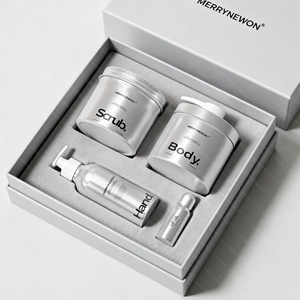
Reusable Skin Care Cream Tins Aluminum Jar Set

Reusable Skin Care Cream Tins Aluminum Jar Set Body Moisturizer Cosmetic Packaging Aluminum Bottle for Hand Wash

Get a Quote
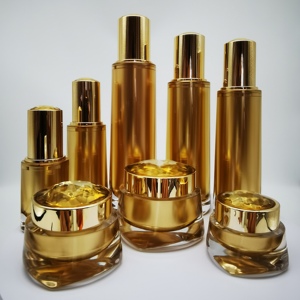
Luxury Cosmetic Glass Jars With Lids Gold Dropper

Luxury Cosmetic Glass Jars With Lids Gold Dropper Empty Cream Jar High Grade Beauty Skincare Containers For Facial Body Mask

Get a Quote
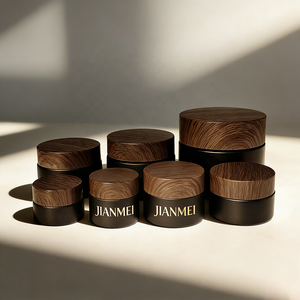
Matte Black Glass Containers Face Cream Glass Jar with Wood Grain Lid

In Stock 5/10/15/20/30/50G Matte Black Glass Containers Face Cream Glass Jar 1 2 4 Oz Glass Jars With Plastic Wood Grain Lid

Get a Quote

Localized Application Scenarios: Engineering for East Africa

Ethiopia represents one of Africa's fastest-growing consumer markets. Navigating local climatic nuances, distribution routes, and cultural beauty traditions requires tailored primary and secondary packaging solutions.

Addis Ababa High-Altitude Pressure Resilience

Addis Ababa rests at an average altitude of 2,350 meters above sea level. Standard cosmetic bottles transported from sea level ports (such as Djibouti) suffer internal air expansion due to barometric pressure changes, leading to leakage or structural deformation. Our containers feature precision-molded gasket liners, induction-sealed foil barriers, and recalibrated internal threads that prevent leakage during air transport and high-altitude overland trucking.

Traditional Botanical Oil Compatibility

Ethiopia's personal care market heavily integrates native active ingredients, including Black Seed Oil (Tikur Azmud), Frankincense (Boswellia), Shea Butter, and castor formulations (Kibe). High-concentration essential oils degrade low-grade plastics. We engineer specialized amber UV glass, lined aluminum tins, and fluorinated HDPE/PCR containers that resist essential oil oxidation and prevent chemical leaching.

Port of Djibouti to Modjo Transit Durability

Overland shipping via the Ethio-Djibouti freight corridor subjects cargo to high desert heat and vibration. Our double-wall rigid corrugated shipping cartons, coupled with scratch-resistant matte coatings on acrylic and glass packaging, preserve product aesthetics against dust, thermal spikes, and road impacts before arrival at retail stores in Merkato or Bole.

Ethiopian Beauty Market Dynamics & Import Evolution

Ethiopia is undergoing a rapid transformation in the personal care sector. With a population exceeding 120 million and a growing urban middle class in cities like Addis Ababa, Hawassa, and Adama, domestic cosmetic manufacturing is expanding at an unprecedented rate.

Government initiatives favoring local import substitution mean domestic cosmetic brands are scaling up local production facilities. However, high-quality primary packaging—such as luxury droppers, airless pump bottles, and eco-certified PCR packaging—must be sourced from specialized international packaging factories capable of handling custom tooling and export certification.

"Brand loyalty in the Ethiopian skincare market is shifting rapidly toward premium aesthetic appeal, tamper-evident seals, and sustainable materials."

Local beauty manufacturers who transition from generic plastic containers to customized frosted glass, wood-grain acrylic caps, and hot-stamped rigid paper boxes are capturing market share in upscale shopping centers and boutique salons across East Africa.

Strategic Material Selection for Regional Performance

Selecting the right polymer or glass composition is essential for maintaining product stability across Ethiopia’s microclimates—ranging from the arid lowlands of Afar to the temperate highlands of Shewa.

  • Post-Consumer Recycled (PCR) PET & PP: Reduces environmental impact while maintaining tensile strength against mechanical stress during regional distribution.
  • Borosilicate & Soda-Lime Glass: Zero chemical reactivity, preserving active dermatological serums, vitamin C complexes, and specialized hair growth elixirs.
  • Anodized Aluminum Tins & Bottles: Lightweight, 100% recyclable barrier protection that protects butter-based hair foods from UV light degradation.
  • Multi-Layer Co-Extruded Tubes: EVOH barrier layer technology prevents oxygen penetration, prolonging the shelf life of botanical face washes without artificial preservatives.

Why Leading Brands Partner With Our Packaging Factory

With decades of specialized experience in cosmetic container design, precision mold engineering, and international shipping compliance, we empower Ethiopian cosmetic enterprises to compete on a global level.

Custom Mold Engineering & 3D Prototyping

We transform your proprietary visual concept into physical reality. Our CAD design engineers deliver 3D visual renders within 24 hours and rapid physical prototypes within 7 days, allowing your team to validate ergonomics, fill capacity, and label application prior to mass production.

Stringent Quality Assurance & ISO Compliance

Every batch of bottles, caps, and droppers undergoes strict quality inspection testing: vacuum leak testing, torque tension testing on closures, drop resilience testing, and silk-screen print adhesion tests under ISO 9001 and ISO 22716 manufacturing protocols.

Flexible Forex & Trade Logistics Support

We are highly experienced with the trade procedures required for imports into Ethiopia. We assist buyers with Letter of Credit (LC) documentation, Proforma Invoice generation aligned with National Bank of Ethiopia guidelines, and pre-shipment inspection certificates required by ECAE.

Frequently Asked Questions for Importing to Ethiopia

Clear answers to technical, regulatory, and financial queries commonly raised by cosmetic procurement managers, factory directors, and brand founders in Addis Ababa.

1. What documentation is provided to satisfy Ethiopian Food and Drug Authority (EFDA) and ECAE standard requirements?
We supply comprehensive technical dossiers for all primary packaging containers. This includes Material Safety Data Sheets (MSDS), Heavy Metal Analysis Reports, Food-Grade Contact Certificates (FDA/EU standard), and Certificate of Analysis (COA) for raw polymers and glass formulations. These documents streamline your cosmetic product registration process with EFDA and pass Ethiopian Conformity Assessment Enterprise (ECAE) inspections smoothly.
2. How do you prevent bottle leakage during sea freight and high-altitude road transit to Addis Ababa?
Transit from sea level at the Port of Djibouti up to Addis Ababa (2,350m elevation) creates significant pressure differentials. We resolve this by fitting caps with specialized PE foam liners, induction heat seal foils, or silicon valves. Additionally, our pump mechanisms feature dual-lock twist mechanisms and internal spring calibrations validated under vacuum pressure chamber testing down to -0.08 MPa.
3. What are the typical Minimum Order Quantities (MOQs) and lead times for custom decorated packaging?
For standard in-stock items (such as matte black glass jars or standard acrylic bottles), MOQs start as low as 1,000 units. For custom-colored plastic injection, gradient glass lacquering, or hot-foil silk screening, MOQs range from 5,000 to 10,000 units per artwork reference. Production lead time is typically 15 to 25 days, with sea freight to Djibouti taking approximately 18 to 25 days depending on the shipping line.
4. Can your factory support orders paid through Letters of Credit (L/C) via commercial banks in Ethiopia?
Yes. We regularly work with commercial entities navigating foreign exchange protocols in East Africa. We provide fully compliant Proforma Invoices (PI) listing precise HS Codes, net/gross weights, freight estimates, and origin details needed to open L/C accounts with the Commercial Bank of Ethiopia (CBE) or private commercial banks.
5. Do you offer sample sets so our development team can test formula compatibility?
Absolutely. We provide free sample packs of our standard containers (jars, bottles, dropper sets, and boxes) so your R&D chemists can conduct 45-day stability testing, viscosity flow tests, and formula interaction assessments prior to placing a full production order.

Ready to Elevate Your Brand's Cosmetic Packaging?

Connect with our technical export specialists today. We will help you select, design, and manufacture the perfect packaging containers optimized for the Ethiopian and broader East African cosmetic markets.